
Hiring & Recruitment

Understanding Do Not Hire Lists: Facts and Tips
Introduction
According to Fortune, major companies actively use internal blacklists, sometimes even shared across HR departments. And it’s getting more common than you might think.
The intent here is simple: reduce risk.
But when poorly managed, these lists can open up a different set of risks, such as legal exposure, accusations of bias, or compliance gaps, adding a layer of complexity.
So, how do you track these candidates fairly? How do you ensure that you’re not entering murky legal territory?
Let’s understand how do-not-hire lists work, why they matter, and how you can use them effectively and safely.
TL;DR
- Do Not Hire lists help reduce hiring risk, but they must be based on objective, job-related criteria not personal opinions or bias.
- Clear documentation and consistent standards are essential to ensure hiring decisions are fair, defensible, and legally compliant.
- Regular audits and review processes prevent outdated or inaccurate information from impacting future hiring decisions.
- Recruiters should understand employment laws and privacy requirements to avoid discrimination claims and compliance issues.
- A structured staffing partner like Consultadd helps minimize hiring risks with pre-screened candidates, compliance support, and reliable recruitment processes.
What Are Do Not Hire Lists?
A Do Not Hire list is precisely what it sounds like: a record of candidates who shouldn’t be considered for future roles.
But it’s more than just a blacklist.
These lists are often used to avoid candidates who have previously caused issues. They are a risk-reduction tool, helping recruitment teams protect client relationships and avoid repeat hiring mistakes.
AACriteria for Inclusion on a Do Not Hire List
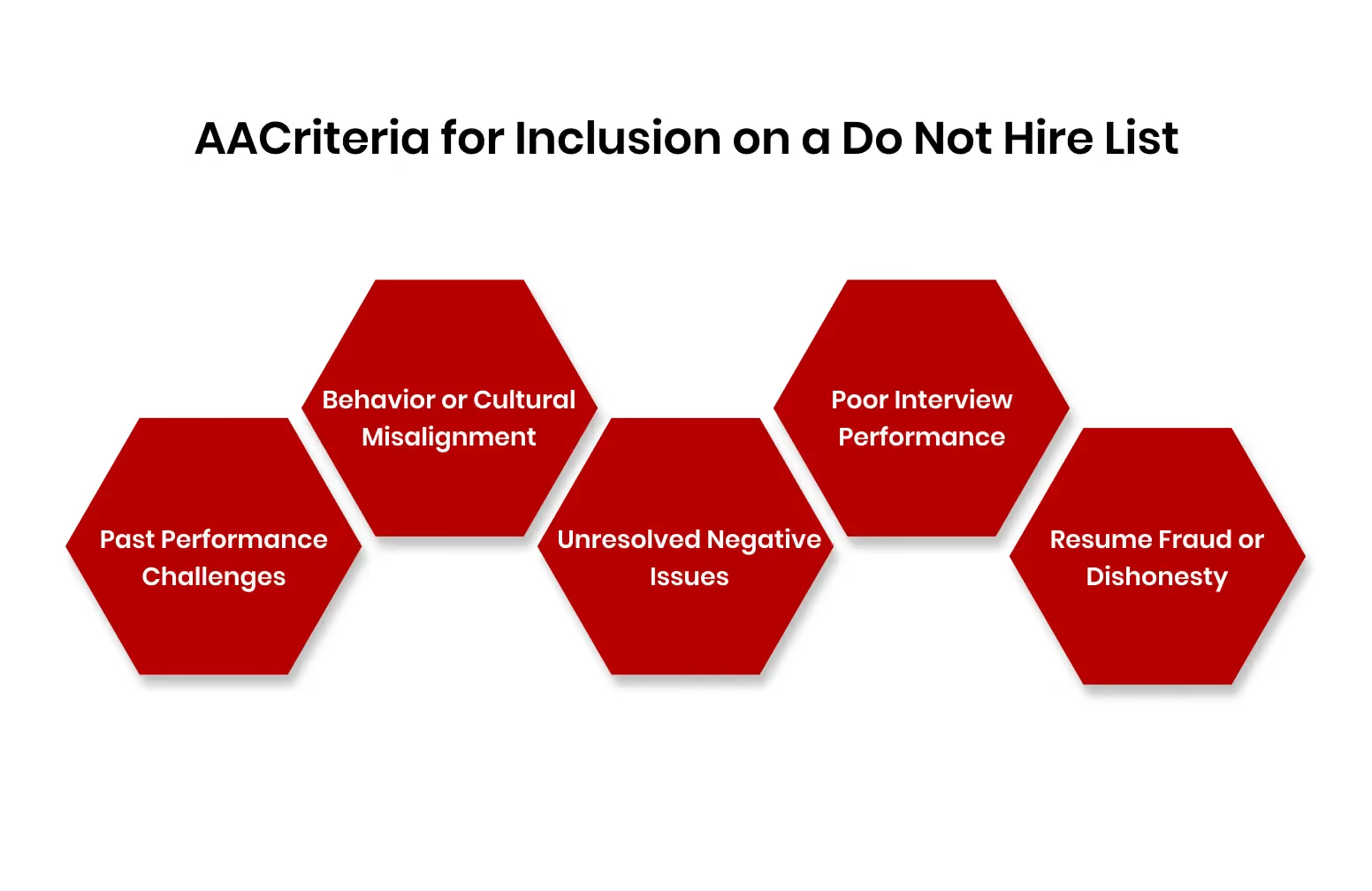
Building a trusted shortlist is tough.
Therefore, know what gets someone on a Do Not Hire list and avoid costly missteps that can damage your reputation or client trust.
Let’s break down the usual suspects.
1. Performance Issues in Previous Roles
- Missed deadlines, poor code quality, or repeated escalations signal deeper skill gaps.
- If feedback from past contracts consistently mentions underperformance, that’s a red flag.
- Metrics like low productivity or QA failure rates often back up these concerns.
2. Behavioral Problems or Cultural Misfit
- Talent might tick all the skill boxes but clash with team dynamics.
- Frequent complaints about attitude, unprofessional communication, or poor collaboration matter.
- Disengagement during contract periods often signals a mismatch beyond just skills.
Soft skills like communication and adaptability are critical for team success. Candidates lacking these can disrupt team dynamics. Read more about the importance of soft skills in the hiring process to ensure you’re assessing candidates holistically.
3. Past Negative References or Unresolved Issues
- Hiring managers remember contractors who left projects mid-way or created friction.
- Unresolved disputes, especially around compliance or payment, can land someone on the list fast.
- Consistent negative references can outweigh a glowing resume.
4. Poor Interview Performance
- Lack of preparation or company knowledge shows disinterest and disrespect.
- Inability to communicate clearly, respond to questions effectively
- Struggling to connect with the interviewer, flags a poor fit, especially for client-facing or collaborative roles.
5. Resume Fraud or Dishonesty
- Falsified job titles, inflated responsibilities, fake credentials, or misleading timelines can quickly disqualify someone.
- Hiring teams often verify key claims. Dishonesty, intentional or not, erodes trust instantly.
This is where Consultadd steps in, streamlining your hiring process by providing pre-screened, qualified candidates, reducing sourcing time and minimizing risks.
Legal Considerations and Compliance

Managing Do Not Hire lists requires strict legal obligations for staffing agencies.
1. Avoid Discrimination under Federal Law
- Title VII of the Civil Rights Act prohibits discrimination based on race, color, sex, religion, or national origin.
- The Americans with Disabilities Act forbids exclusion based on disability.
- Ensure every Do Not Hire decision is backed by documented, job-related facts not personal bias.
2. Apply Consistent and Defensible Criteria
- Use clear, uniform standards for all candidates, regardless of background.
- Maintain written records explaining why candidates are listed.
- Review your criteria regularly to stay aligned with EEOC guidelines and evolving laws.
3. Protect Candidate Privacy and Data Security
- Comply with state and federal data protection laws
- Limit list access to authorized hiring personnel only.
- When conducting background checks, provide candidates with required disclosures and rights.
4. Learn from US Legal Cases and EEOC Guidance
- Courts have ruled against employers who failed to give candidates a chance to respond to negative information.
- Secretive or inconsistent blacklist use can trigger discrimination claims or regulatory fines.
- Keep up-to-date with EEOC enforcement trends and court rulings to mitigate risks.
Following these legal guardrails can protect your agency, clients, and candidates while building a fair, trustworthy hiring process.
Therefore, when managing Do Not Hire lists effectively, it's essential to keep the process efficient and avoid unnecessary mistakes.
Let’s explore practical tips for managing Do Not Hire lists to ensure fairness and accuracy.
Maintaining Fairness and Transparency
Fairness and transparency aren’t just ideals; they’re the foundation of trusted hiring partnerships. Agencies that establish clear processes reduce risk and build stronger relationships with clients and candidates.
Here’s how to make fairness and transparency work in your hiring operations:
Implementing these techniques turns fairness and transparency from vague goals into everyday realities.
It empowers your teams to make confident, consistent hiring choices that protect all.
Tips for Staffing Agencies on Managing Do Not Hire Lists
Managing Do Not Hire lists is a delicate balancing act that must protect clients and companies while allowing room for growth and second chances. These lists can serve a valuable purpose, but only when managed with fairness and transparency.
People grow and change, and hiring practices should reflect that evolution, offering opportunities based on merit and current potential, not just past perceptions.
Therefore, here’s how to keep them practical and effective:
1. Document Every Entry
- Note the clear reasons for adding candidates
- Keep records handy for audits or disputes
2. Define Clear Criteria
- Use simple, consistent rules for inclusion
- Share the criteria with your team to ensure fairness
3. Review & Clean Regularly
- Audit lists every 3-6 months
- Remove outdated or incorrect entries
4. Train Recruiters & Managers
- Conduct refresher sessions on legal and ethical use
- Encourage questions and discussion around best practices
5. Communicate Transparently
- Explain your Do Not Hire process to clients
- Clarify how decisions impact hiring timelines
6. Leverage Technology
- Use ATS or software to track and update lists
- Set alerts for review dates and expirations
7. Allow for Reconsideration
- Have a straightforward appeal process for candidates
- Review new info before final decisions
With these steps, you’ll keep your Do Not Hire lists fair, efficient, and reliable.
Therefore, partnering with the right IT staffing agency ensures effective management of Do Not Hire lists. Learn how to choose the right IT staffing agency for your business for smoother, compliant hiring practices.
Conclusion: Key Lessons on Do Not Hire Lists
A poorly managed Do Not Hire list can quietly sabotage your agency’s credibility. But a well-handled one? It becomes your secret weapon, strengthening client trust, protecting your brand, and building a culture of fairness.
Throughout this guide, we’ve broken down how to bring clarity, accountability, and compassion into every hiring decision. When your agency has strong guidelines, routine audits, and space for candidate growth, the result is consistency without compromising humanity.
That’s where Consultadd comes in. For 14+ years, we’ve helped agencies like yours transform hiring from reactive to resilient.
Here’s how:
- Safe, reliable hires: Screened candidates who are ready to perform from day one.
- Lower turnover risks: You get professionals who are committed, not just available.
- Seamless compliance: We handle visa, documentation, and regulatory details—so you stay focused.
- Continuous support: Post-placement success is our priority, not just placement speed.
We’re backed by efforts and results:
- 1:1 dedicated account managers
- Top 100 candidates placed in the last year
- ~65 staffing companies partnered with us in just 12 months
- MSAs signed with leaders like Robert Half and Teksystems
- 5K+ successful staffing engagements
- Talent sourced in under 24 hours
- Ready-to-deploy professionals from trusted university pipelines
Start Strong With Consultadd
Working with an experienced partner like Consultadd ensures you hire smarter. From structured processes to real-time market insights, we help you avoid costly missteps and build teams that deliver from day one.
In a market where great tech talent is hard to find and harder to keep, your approach to staffing makes all the difference. Looking to build a future-ready tech team? Contact Us>>
Key Takeaways
- Create Do Not Hire lists using consistent, evidence-based criteria backed by documented performance or conduct.
- Review and update lists regularly to remove outdated entries and maintain fairness.
- Protect candidate privacy by restricting access and complying with applicable employment and data protection laws.
- Give recruiters clear guidelines and training to ensure ethical, unbiased hiring decisions.
- Partnering with an experienced staffing firm helps improve candidate quality while reducing legal and operational risks.
FAQs
What is a Do Not Hire list?
A Do Not Hire list is an internal record of candidates who should not be considered for future employment based on documented, job-related reasons such as serious performance issues, policy violations, or verified misconduct.
Are Do Not Hire lists legal?
Yes, they can be legal when they are based on objective, documented, non-discriminatory criteria and comply with employment, privacy, and anti-discrimination laws.
What should qualify a candidate for a Do Not Hire list?
Common reasons include verified resume fraud, repeated performance problems, serious misconduct, policy violations, unresolved compliance issues, or consistently poor professional behavior. Every decision should be supported by documented evidence.
How often should Do Not Hire lists be reviewed?
Most organizations should review them every 3–6 months to remove outdated information, verify documentation, and ensure decisions remain fair and legally defensible.
How does Consultadd help reduce hiring risks?
Consultadd provides pre-screened, qualified professionals, supports compliance and documentation, accelerates sourcing, and helps staffing firms make more informed, lower-risk hiring decisions.

Building Your Tech Talent Pipeline Strategically
Introduction
Are you tired of constantly scrambling to find the right tech talent, only to end up with unqualified candidates or long hiring delays?
As a recruiter or staffing professional, we know that this process can feel like an endless cycle, leaving you frustrated and your clients waiting.
What if there was a way to change that? Imagine having a steady stream of pre-vetted, ready-to-hire talent at your fingertips, no more chasing candidates or dealing with time-consuming vetting.
Building a strong tech talent pipeline is the key to making this happen. It’s about ensuring you have access to the best candidates, whenever you need them, without the usual headaches.
Let’s take a closer look at what a tech talent pipeline is and why it’s so important for your agency.
TL;DR:
- Building a strategic tech talent pipeline is essential for staffing agency success.
- Identify in-demand skills like Full-Stack Development, Cloud, DevOps, and Cybersecurity to stay ahead.
- Invest in training and upskilling to keep candidates market-ready and competitive.
- Foster mentorship and create clear career advancement paths for long-term retention.
- Promote diversity, equity, and inclusion (DEI) to expand your talent pool and enhance problem-solving.
- A proactive approach helps reduce time-to-hire, improve candidate quality, and better match client needs.
What is a Tech Talent Pipeline and Why Does it Matter?
A tech talent pipeline is more than just a list of candidates, it’s a strategic approach to sourcing and engaging with the right talent before you even need them.
Think of it as a continuous flow of qualified, ready-to-hire professionals that ensures your staffing agency is always prepared, no matter what the demand looks like.
Why a Tech Talent Pipeline is Crucial
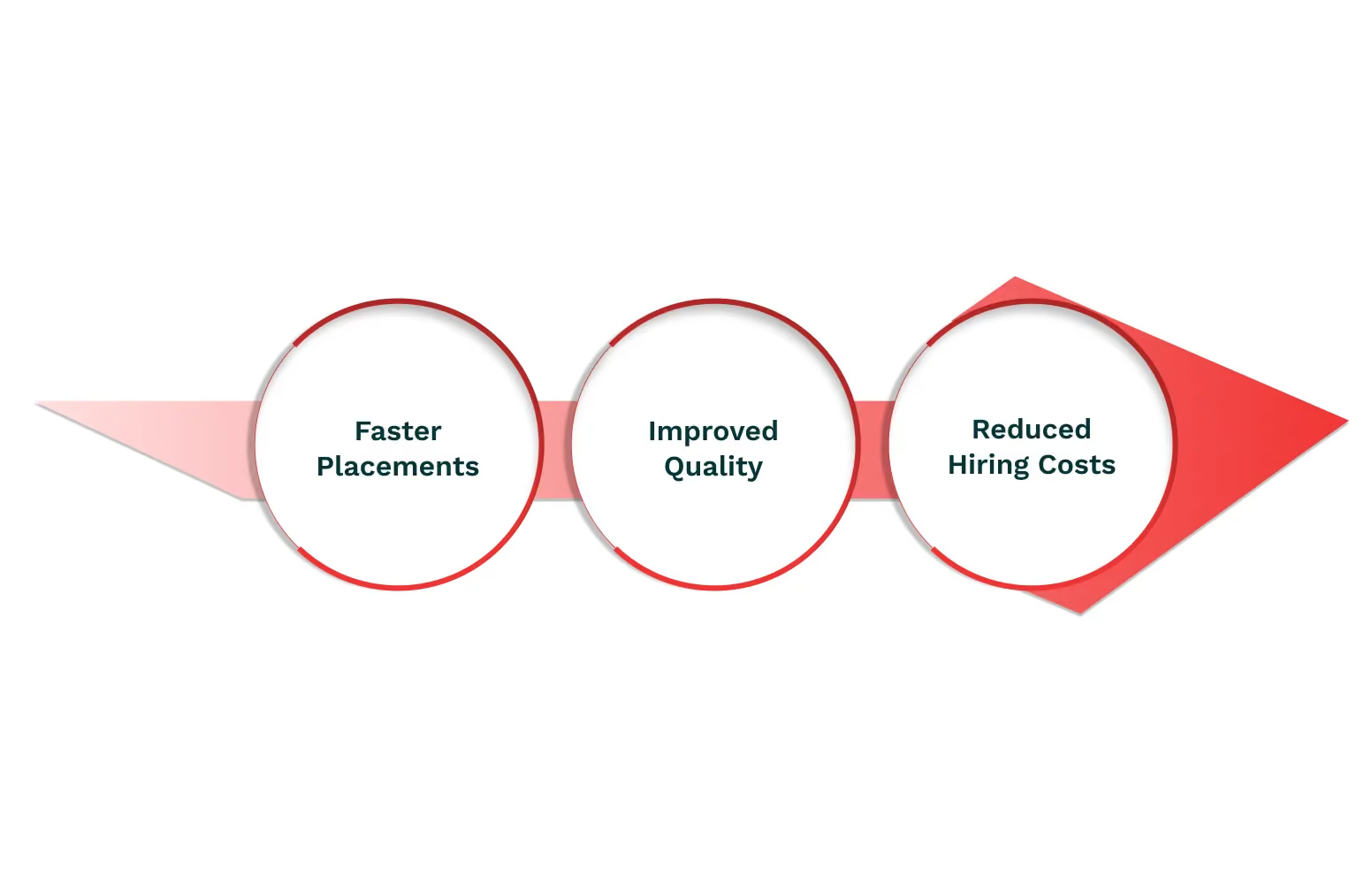
1. Faster Placements
With a strong pipeline, you’re never scrambling for candidates at the last minute. Your team can place the right talent quickly, keeping clients happy and the process smooth.
2. Improved Quality
A well-developed pipeline ensures that every candidate has been vetted for skills, experience, and cultural fit. You’re not just filling roles; you’re matching top talent with the right opportunity.
3. Reduced Hiring Costs
When you have a pre-vetted pool of candidates, you cut down on the costs of sourcing, interviewing, and onboarding. It saves time and money for your agency, and your clients.
The Impact on Agency Performance
Building a tech talent pipeline doesn’t just help you fill roles faster; it transforms your entire recruitment process. With a continuous flow of qualified professionals, your agency becomes more agile, efficient, and responsive to client needs.
This proactive approach allows your agency to be ready for the next big demand, without feeling the stress of urgent hiring. Instead of reacting to requests, you’re positioned to deliver quickly and confidently.
Now, let’s get into how you can start building your tech talent pipeline strategically.
Understanding the Tech Talent Landscape
The tech talent market is constantly shifting. With new technologies emerging, and industries evolving, the demand for high skilled professionals continues to soar.
But this presents a challenge for staffing agencies: how do you stay ahead and meet the evolving needs of clients?
The Growing Demand for Tech Talent
- Increased Hiring Demand: Companies across all industries are seeking tech professionals to drive innovation. Roles in Full-Stack Development, Cloud Computing, and DevOps are in high demand.
- Skills Shortage: Despite the growth in tech job opportunities, the supply of qualified candidates hasn’t kept pace. It’s becoming harder to find tech talent with the right skills.
- Fast-Paced Change: As technologies evolve, the need for specialized skills, such as AI, machine learning, and cybersecurity, grows, pushing agencies to stay on top of emerging trends.
Key Challenges in the Tech Talent Landscape
To meet the demands of today’s market, staffing agencies must be agile, proactive, and prepared.
Being proactive means faster hiring, better matches, and stronger, longer-lasting relationships with your clients. It’s a strategy that makes your agency more agile, efficient, and ultimately more successful.
Let’s understand how you can start building a tech talent pipeline that keeps you ahead in this competitive market.
For more on building a strong staffing strategy, check out our guide on Creating a Strategic Talent Management Framework for 2025. It’s packed with actionable tips to help you stay ahead of the curve!
How to Build Your Tech Talent Pipeline Strategically
Building a strong tech talent pipeline is more than just filling positions as they open. It’s about creating a continuous flow of top-tier, pre-vetted candidates that you can turn to whenever a need arises.
By taking a strategic approach, your staffing agency can stay ahead of the curve, keep clients happy, and reduce the stress that comes with urgent hiring needs.
Here’s how to build your tech talent pipeline the right way, step by step.
1. Identify Key Skills and Roles
First things first, know exactly what you need. Without a clear understanding of the skills and roles that are in demand, you’ll end up wasting time chasing the wrong candidates.
Key Tech Skills to Watch:
- Full-Stack Development: The demand for developers who can handle both front-end and back-end work is skyrocketing.
- Cloud Computing: As businesses move more to the cloud, there’s an ever-growing need for cloud specialists.
- DevOps: Companies want to speed up their development cycles, making DevOps professionals essential for smoother processes.
- Cybersecurity: With rising data threats, cybersecurity experts are in high demand across all industries.
By identifying these key skills early, you can start sourcing talent that meets these needs, creating a more targeted and effective pipeline.
2. Engage in Workforce Planning
Planning for the future is a game-changer. Workforce planning is about understanding not just the current talent needs, but also anticipating what your clients will require down the line.
Questions to Ask Yourself:
- What industries are growing? Look at sectors that are rapidly expanding, such as tech startups, healthcare, or fintech.
- What are your clients’ upcoming projects? If your client plans to scale or launch a new product, start thinking about what roles they’ll need.
- What skills will become critical? Emerging trends like AI and blockchain are shaping future job requirements.
Pro tip: Workforce planning helps avoid the stress of urgent hiring and ensures you're always one step ahead in meeting client demands.
3. Develop Robust Training and Upskilling Programs
A strong tech talent pipeline isn't just about recruiting; it's also about development. By investing in training and upskilling, you can ensure that your talent remains relevant and market-ready.
Providing these opportunities to your candidates ensures that you’re not just filling roles, but helping people grow within your pipeline.
4. Foster a Culture of Continuous Learning
Tech doesn’t sit still, and neither should your candidates. A continuous learning environment not only boosts morale but also keeps your talent ahead of the game. Encouraging your talent to stay updated with new tools and trends is a win for both them and your clients.
Why This Helps:
- Higher Retention: Candidates stay engaged and loyal when they feel they’re continually improving.
- Better Matching: The more skills your candidates have, the better they can match the evolving needs of your clients.
- Competitive Edge: Agencies with candidates who are always learning are more likely to win contracts with clients looking for the latest skills.
5. Establish Mentorship and Sponsorship Programs
Mentorship and sponsorship are powerful tools to nurture talent and build long-term loyalty. They go beyond just job training, they provide the support needed for personal and professional growth.
6. Create Clear Career Advancement Paths
Everyone wants to know they’re moving forward. Building a clear career path for your candidates gives them direction and purpose, making them feel invested in their own success.
Simple Career Path Framework:
Entry-Level: Develop foundational skills and get comfortable with core tasks.
Mid-Level: Take on more responsibility and grow specialized skills.
Senior-Level: Take on leadership roles and mentor others in the pipeline.
A clear career path not only motivates candidates but also ensures that you’re building a long-term talent pool for your agency and your clients.
7. Strengthen Entry-Level Onboarding Processes
Onboarding is your new hire’s first real experience with your agency, and it’s crucial.
A smooth, welcoming onboarding process helps new employees feel at ease and confident from the start, which makes a big difference in how quickly they adapt and how long they stay.
To make the process as seamless as possible, start by creating a welcoming environment where they feel part of the team from day one.
Make sure expectations are clear, let them know what their roles are, what tools they’ll be using, and what’s expected from them.
Lastly, provide all the resources they need to succeed right away. Whether it’s training materials, tech setups, or introductions to their team, make sure they have everything they need to hit the ground running.
Pro Tip: Regular check-ins during onboarding help spot challenges early, boosting engagement and retention
8. Leverage Partnerships with Educational Institutions and Certification Providers
Partnering with educational institutions, coding bootcamps, and certification providers is an effective way to ensure a steady pipeline of qualified candidates.
These partnerships not only bring you access to fresh talent but also guarantee that candidates are well-prepared to meet the demands of the job market.
Here’s why these partnerships are valuable:
- Coding Bootcamps: Many bootcamps focus on teaching in-demand skills like Full-Stack Development and Data Science, giving you access to ready-to-hire professionals who are well-versed in the latest tech.
- Universities: Partnering with universities, especially tech-focused ones, opens the door to eager, newly-graduated candidates who are looking to dive into the workforce.
These partnerships also create a pathway for candidates to gain certifications, keeping them market-ready and in demand.
9. Promote Diversity, Equity, and Inclusion (DEI)
Promoting DEI isn't just about doing what's right, it also has significant benefits for your talent pipeline and agency success. Here’s how focusing on DEI can make a real difference:
By promoting DEI, your agency not only contributes to creating a more inclusive workplace but also strengthens its position in a competitive market.
10. Use Data-Driven Decision-Making
Data isn’t just for tech teams; it’s a powerful tool in recruitment, too. Tracking the performance of your tech talent pipeline can help you make more informed decisions, reduce inefficiencies, and improve your hiring processes.
Here are some critical data points to track:
- Time-to-Hire: By measuring how long it takes to fill a position, you can identify bottlenecks in your hiring process and make adjustments to improve speed.
- Candidate Performance: Tracking how candidates perform after they’ve been placed gives you insight into the quality of your hires and helps you refine your sourcing strategies.
- Sourcing Effectiveness: By analyzing which channels bring in the best candidates, you can focus your efforts on those that yield the highest-quality talent.
Using data to guide your recruitment efforts ensures your tech talent pipeline stays strong and continues to meet the evolving needs of your clients.
Need help building a tech talent pipeline that’s fast, compliant, and reliable? Partner with Consultadd today. We provide access to a pool of pre-vetted candidates, help streamline your hiring process, and ensure you stay ahead of the competition.
Conclusion: Building a Stronger, Smarter Tech Talent Pipeline
Building a strategic tech talent pipeline is no longer just a nice-to-have; it’s a necessity in today’s competitive staffing industry.
By understanding the demand for key skills, focusing on continuous learning, and creating strong partnerships, staffing agencies can secure top-tier talent faster and more effectively.
The steps we’ve discussed, identifying skills, workforce planning, onboarding, and promoting DEI, are key to staying ahead. But it’s not just about knowing what to do, it’s about executing it with the right tools and strategies.
At Consultadd, we make it easier for staffing agencies to build and maintain a robust tech talent pipeline.
Here’s how we can help:
- Access to a pre-screened talent pool: You’ll have immediate access to qualified tech professionals, cutting down your time-to-hire.
- Comprehensive candidate verification: We ensure that every candidate is fully vetted for skills, experience, and compliance.
- Ongoing support and training: We keep your talent updated with the latest skills, ensuring they remain market-ready.
- Dedicated account management: Our team is here to support your agency every step of the way, making sure everything runs smoothly.
Start Strong With Consultadd
Working with an experienced partner like Consultadd ensures you hire smarter. From structured processes to real-time market insights, we help you avoid costly missteps and build teams that deliver from day one.
In a market where great tech talent is hard to find and harder to keep, your approach to staffing makes all the difference. Looking to build a future-ready tech team? Contact Us>>
Key Takeaways
- Build a proactive tech talent pipeline to reduce hiring delays and improve placement quality.
- Focus on high-demand skills like Full-Stack Development, Cloud Computing, DevOps, and Cybersecurity.
- Invest in continuous learning, upskilling, and mentorship to keep talent market-ready.
- Strengthen your pipeline through workforce planning, educational partnerships, and inclusive hiring practices.
- Use data-driven recruitment strategies and experienced staffing partners to hire faster and stay competitive.
FAQs
Why is a tech talent pipeline important for staffing agencies?
A tech talent pipeline ensures you have a steady flow of qualified candidates, reducing hiring delays and helping you meet client demands faster.
How can consultadd help with building a tech talent pipeline?
Consultadd provides access to a pre-vetted pool of candidates, offers comprehensive verification, and supports ongoing training, all while simplifying the hiring process.
What are the key skills to focus on when building a tech talent pipeline?
Focus on in-demand skills such as Full-Stack Development, Cloud Computing, DevOps, and Cybersecurity to meet client needs and stay competitive.
How does diversity, equity, and inclusion (DEI) impact the tech talent pipeline?
Promoting DEI expands your talent pool, encourages innovative problem-solving, and strengthens relationships with clients who prioritize diversity in their hiring practices.
What role does data play in building a tech talent pipeline?
Data-driven decision-making helps track key metrics like time-to-hire and candidate performance, allowing staffing agencies to optimize their recruitment strategies and improve efficiency.

Understanding Background Checks in the Hiring Process
Introduction
You’ve sourced, screened, and pitched the perfect candidate, only to find out later their resume wasn’t the full story.
In staffing, moments like these aren’t just frustrating, they’re costly. You risk losing client trust, damaging hard-won relationships, and wasting valuable hours retracing your steps.
That’s why background checks aren’t just another hiring formality. They’re a quiet safety net in a fast-paced, high-stakes game.
According to SHRM, 86% of employers say protecting employees and customers is a key reason for running background checks. It’s about more than ticking boxes, it’s about hiring with confidence.
For recruiters and account managers, background checks offer clarity where there’s often pressure to move fast and hope for the best.
Let’s look at what background checks actually include, and why they should be a standard part of your hiring process.
TL;DR
- Background checks prevent costly hiring mistakes by verifying credentials, protecting client trust, and reducing legal and compliance risks.
- Each type of check, including criminal, education, driving, drug, immigration, and social, targets risks relevant to the specific job or industry.
- Legal compliance (FCRA, EEOC, state laws) is critical; noncompliance risks lawsuits, brand damage, and hiring delays.
- Partnering with screening providers accelerates hiring, ensures accuracy, and frees recruiters to focus on placing top talent.
What Are Background Checks?
A background check is a verification process. It confirms whether a candidate is who they say they are on paper and in practice.
It validates credentials, work history, education, and legal standing before your client ever sees a résumé.
This simple step transforms guesswork into assurance.
Why Background Checks Matter?
1. Accuracy over Assumptions
Resumes can stretch the truth. Checks confirm timelines, job titles, and degrees.
2. Early Risk Detection
They flag issues like false claims or criminal records before offers go out.
3. Time Saved Down the Line
A bad hire costs more than just recruitment time. Checks protect from client churn.
4. A Stronger Talent Reputation
Clients rely on your judgment. Screening shows you’ve done more than skim profiles.
The goal isn’t just to prevent a bad hire, it’s to elevate every hire. Background checks play a vital role, but they’re most effective when combined with broader recruitment strategies. Explore key strategies in our blog: Make Every Hire Count: Key Recruitment Improvements.
Reasons for Conducting Background Checks
You’re up against impossible deadlines, client pressure, and talent that looks great, until it doesn’t.
Background checks are your way to stay ahead. They separate the right hire from the risky one.
Let’s break down why they matter so much.
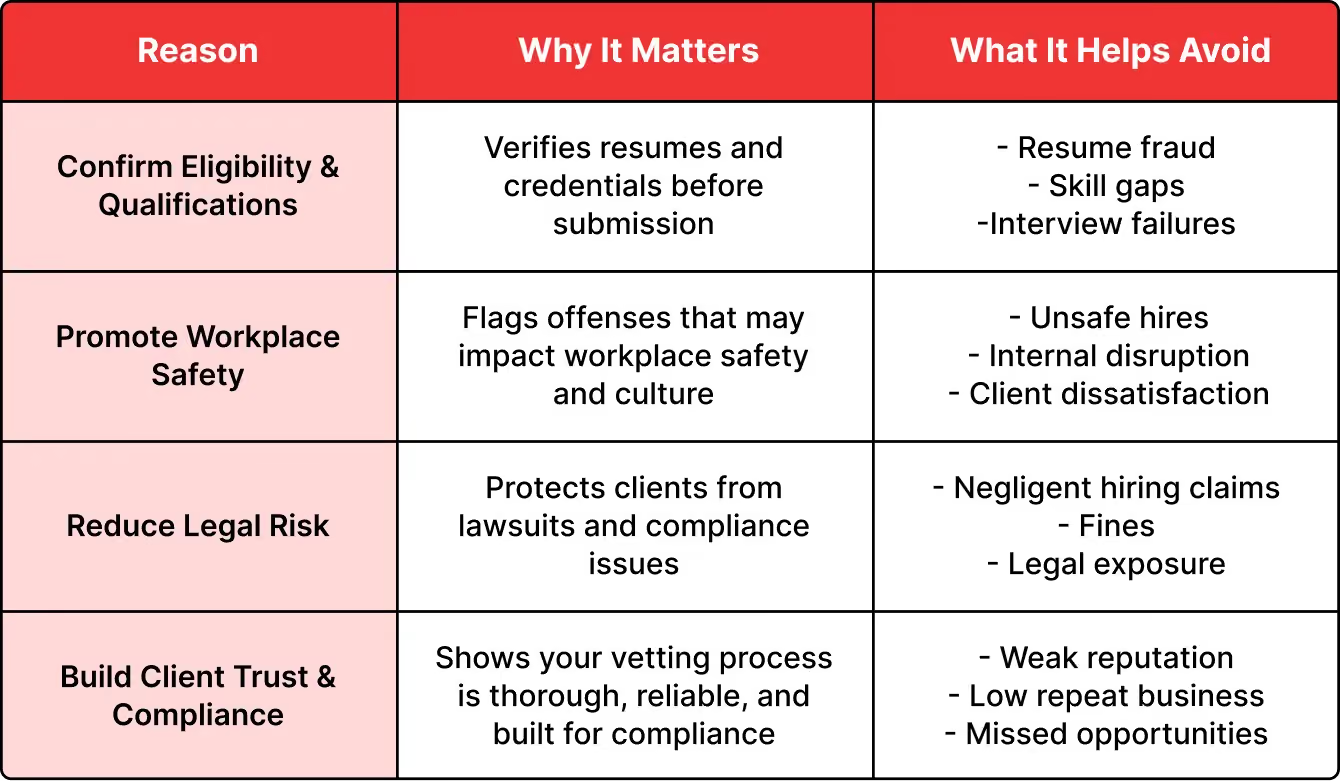
Background checks aren’t just about screening, they’re about showing up prepared.
Types of Employment Background Checks
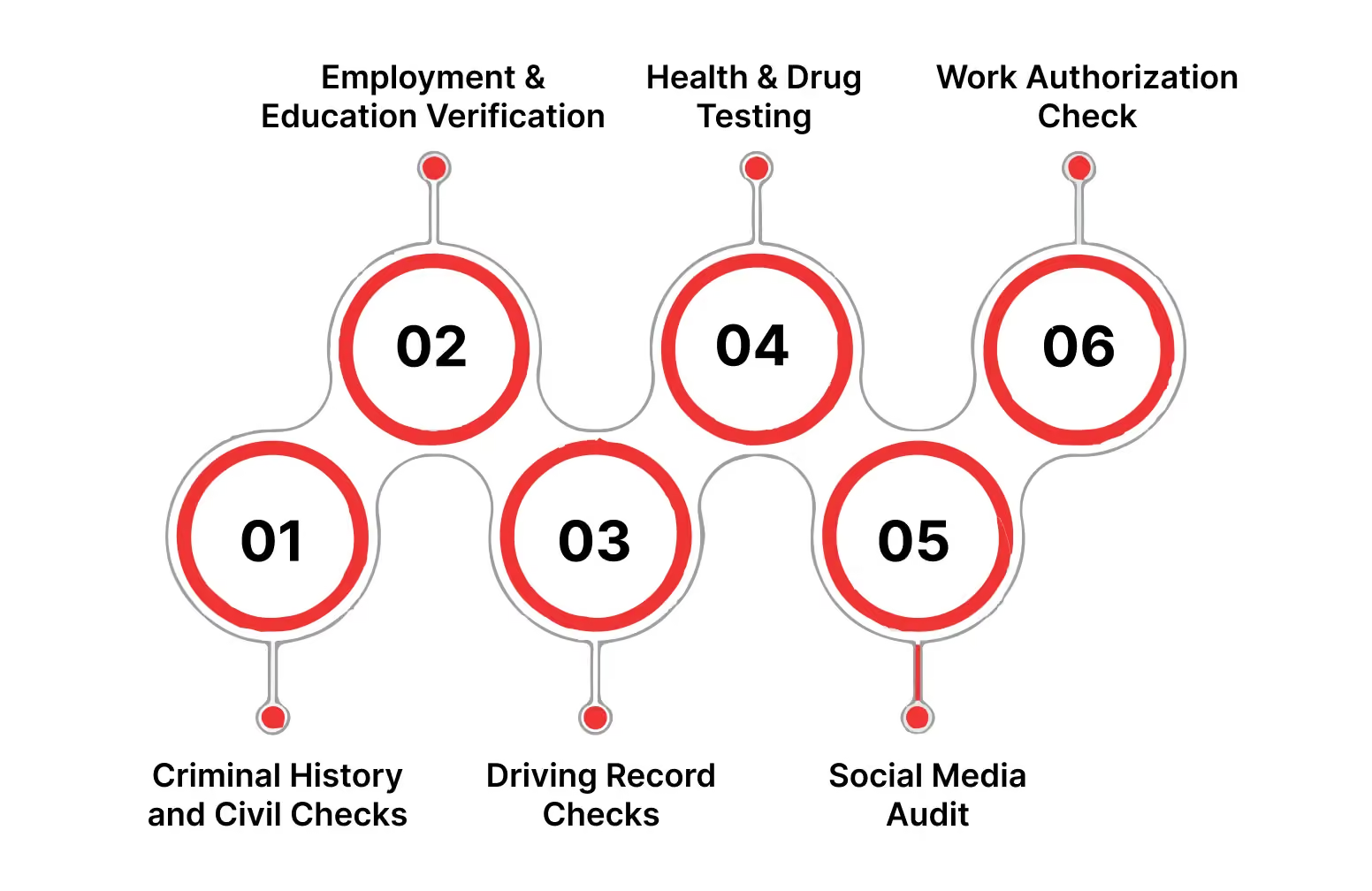
Every open role comes with its own stakes.Some demand absolute precision. Others, uncompromised trust. And your background checks? They need to reflect that.
Here’s how you can tailor screenings to the job, without wasting time or cutting corners.
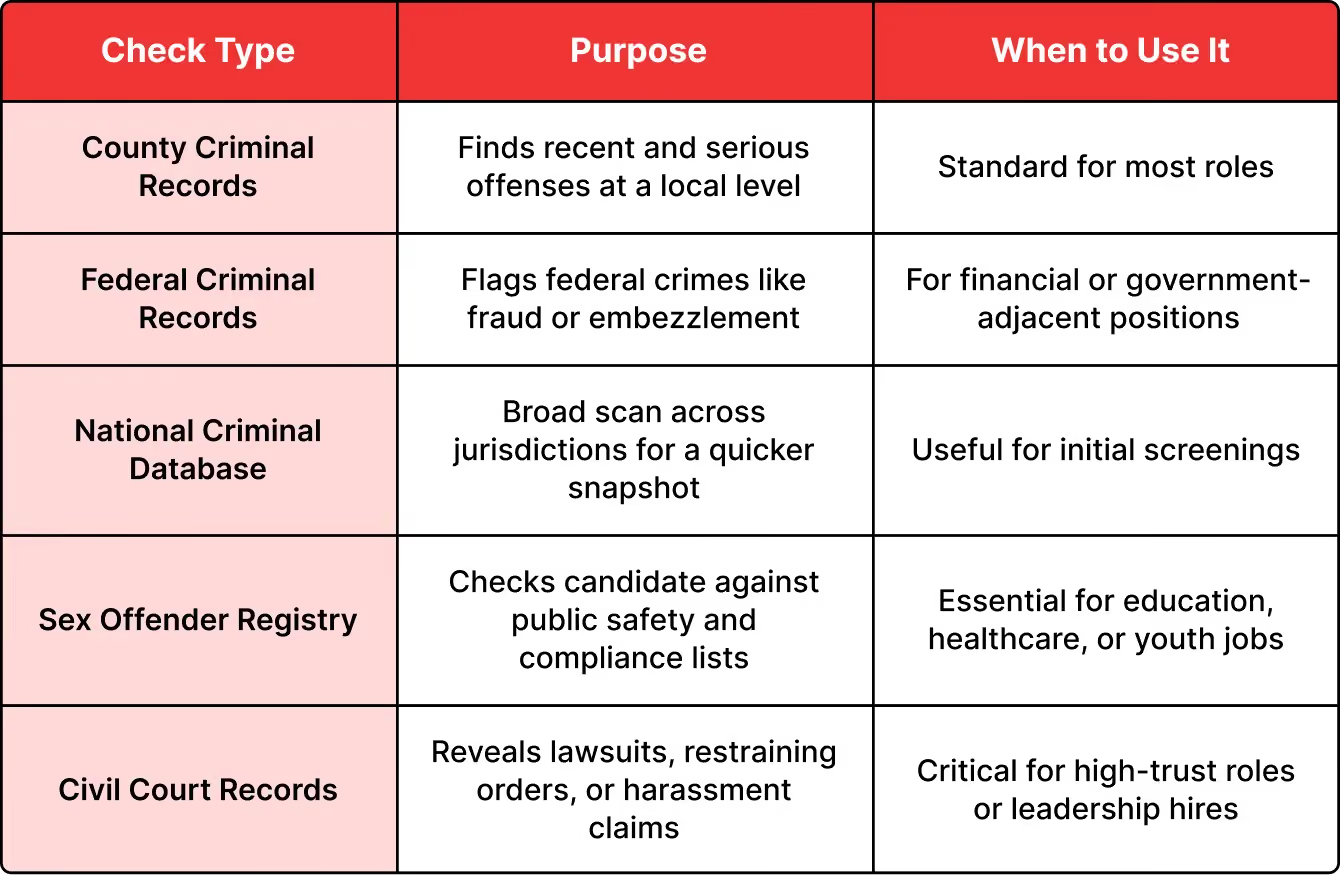
1. Criminal History and Civil Checks
One bad hire can cost a client their reputation.
That’s why criminal and civil checks aren’t just formalities, they’re frontline defenses.
2. Employment and Education Verification
“They said they led a team of 20.” But what if they didn’t?
Misstated job titles and imaginary degrees are more common than you’d think.
That’s why this check matters, it’s not about doubting a candidate.
What You’re Really Checking For
- Title inflation
“Team lead” on paper might’ve meant “assisted the actual lead” in real life. - Dates that don’t line up
Gaps, overlaps, or conveniently missing months? All worth flagging early. - Education embellishments
A claimed degree from a university they never actually attended? It happens.
Verifying employment and education gives you the facts, but reference questions reveal how those facts translated into real-world performance. Check out our blog: Smart Reference Questions to Make Better Hiring Decisions for key insights to help you dig deeper and hire with confidence.
3. Driving Record and Motor Vehicle Checks
When a candidate drives on behalf of your client, their record drives your reputation.
One overlooked speeding ticket today can become tomorrow’s lawsuit or lost contract. Staffing teams can’t afford that risk.
What Does This Check Cover?
- License Status: Is it valid, suspended, or revoked?
- Traffic Violations: Speeding, reckless driving, DUIs.
- Accident History: Frequency and severity of past incidents.
- Endorsements & Restrictions: CDL, special permissions, or limitations.
When This Check Matters Most?
Run this check when the role involves:
- Operating company vehicles
- Traveling to client sites
- Handling deliveries or fieldwork
- Receiving vehicle-related perks
4. Drug Testing and Health-Related Checks
Health and safety aren’t optional, they’re deal breakers.
Failing to flag health risks or skipping medical screens? That’s more than a miss. It’s a broken promise to your clients.
This check is what helps prevent disruptions, avoid liabilities, and ensure every candidate is ready to perform, physically and professionally.
Common Checks
- Pre-employment drug panels (5-panel, 10-panel, DOT-regulated)
- Physical fitness tests for high-impact or field-heavy roles
- Mandatory medical exams based on federal, state, or industry guidelines
- Ongoing or random drug testing for safety-sensitive or long-term placements
One false negative could cost a contract. One clean result builds lasting trust.
5. Social Media and Online Presence Check

Henry David Thoreau, the 19th-century philosopher, once said:
“It’s not what you look at that matters, it’s what you see.”
Though he wasn’t referring to LinkedIn or Twitter, the idea holds true today. A candidate’s online presence can reveal as much as their resume, sometimes more.
Today, a single tweet, comment, or photo can impact professional credibility. Hiring managers must protect clients from risk while placing people who align with company culture and values.
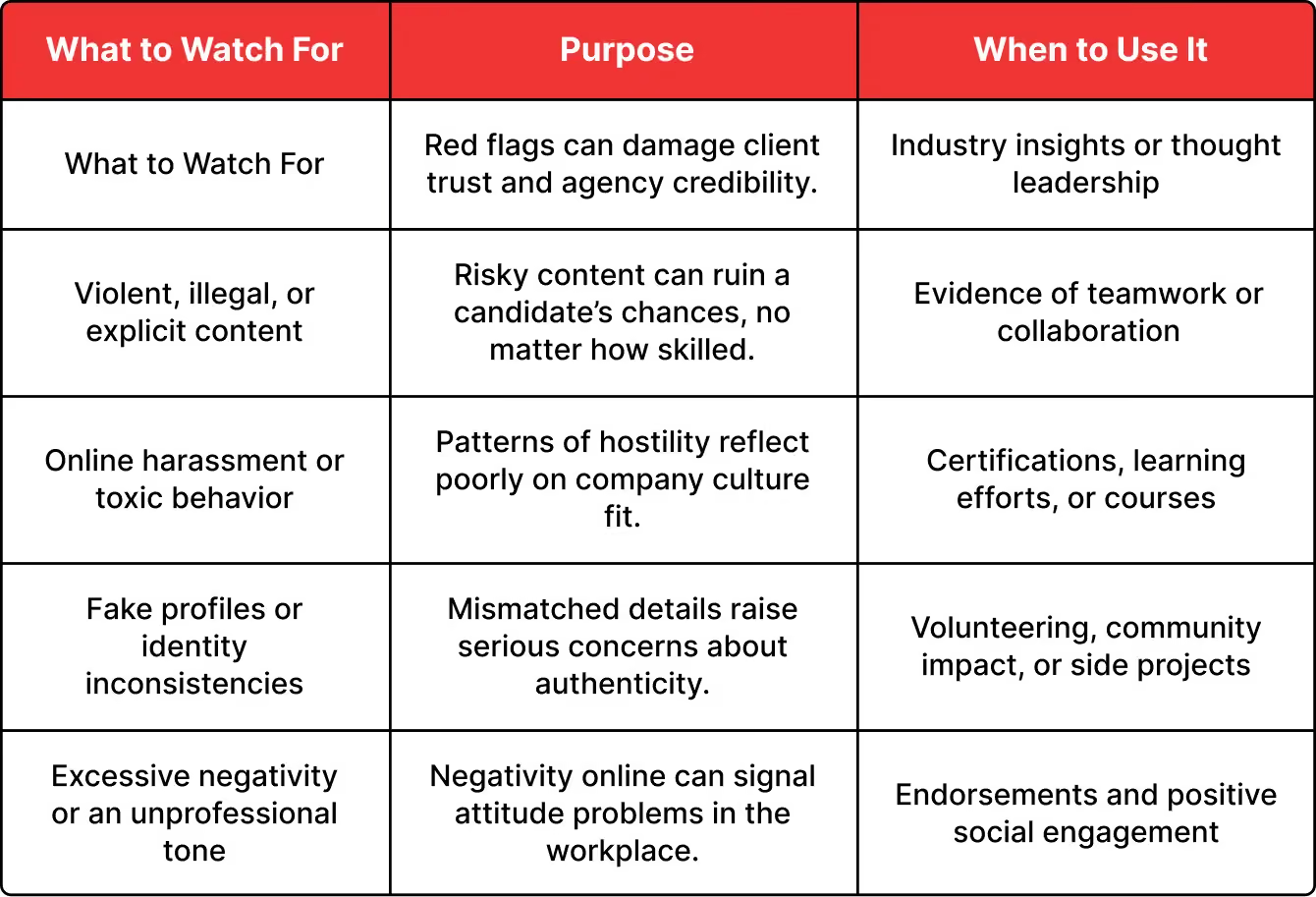
Online presence is the new reference check. Clean profiles close faster.
6. Immigration and Work Authorization Check
Because getting paperwork wrong doesn’t just slow you down, it can stop everything.
Work authorization isn’t just a formality. It’s the foundation of risk-free placements.
- One missed detail can lead to project delays or legal exposure.
- Clients expect pre-vetted talent who can start fast and without restrictions.
- With immigration law constantly changing, accuracy builds long-term trust.
What You Need to Know?
Too often, immigration becomes a scramble. But with upfront checks, you get peace of mind.
Verify these essentials before submission:
- Valid visa type (H-1B, F-1 OPT, L-1, etc.)
- Expiry date and remaining time on status
- I-94 validity and consistency
- Eligibility for extension, transfer, or change of status
- Worksite and employer compliance
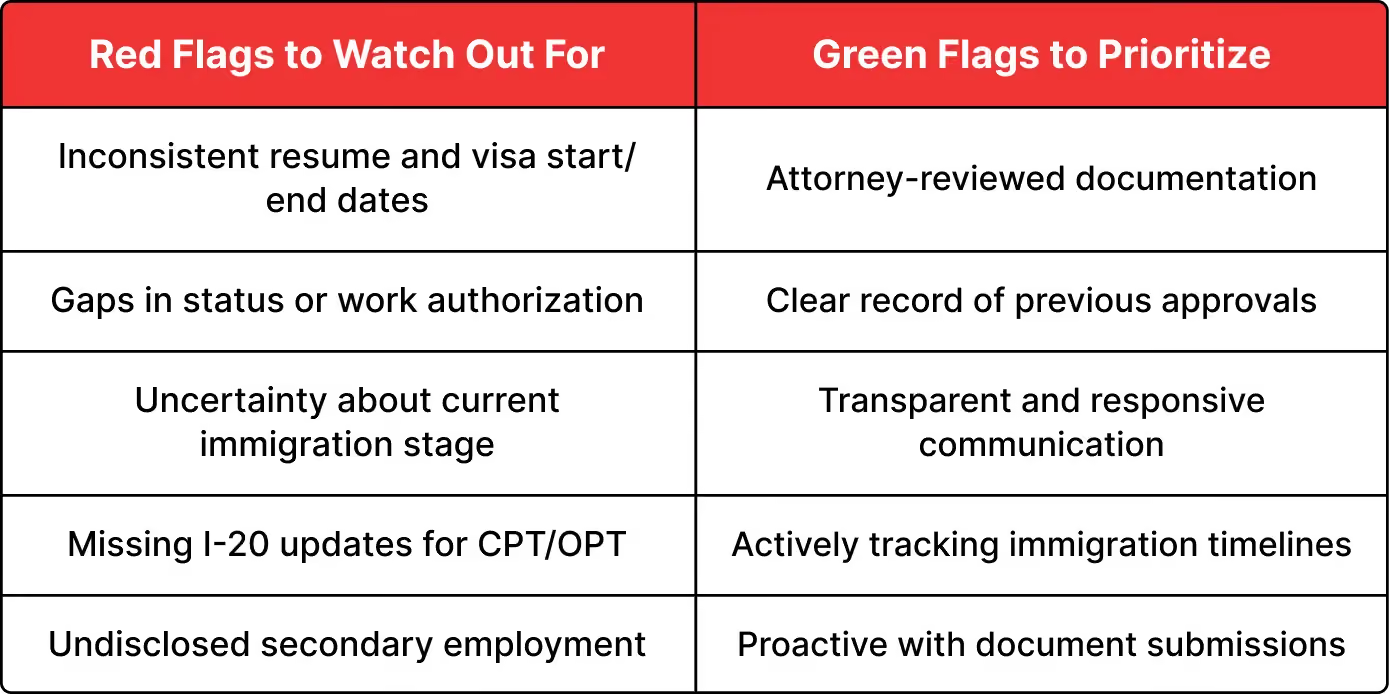
Navigating visa and work authorization requirements can create bottlenecks, and candidates with unclear status risk costly delays. That’s why at Consultadd, we ensure we source and deliver candidates who already hold approved, valid visas and work authorizations.
Legal Considerations
Compliance isn’t a checkbox. It’s your shield in a high-stakes hiring world.
Hiring without legal awareness puts your firm and your clients at risk. From federal mandates to state-specific nuances, understanding these regulations is key to protecting everyone involved.
Fair Credit Reporting Act (FCRA)
- Requires written candidate consent before running any background check
- Mandates a copy of the report and a chance for the candidate to respond
- Noncompliance can lead to lawsuits, fines, and serious brand damage
EEOC Guidance and Title VII of the Civil Rights Act
- Background checks must not lead to discriminatory outcomes
- Employers must consider the nature of the offense and time passed
- Fairness is not optional, it's enforced
Ban the Box Laws and Fair Chance Act
- Prevent early questions about criminal history during the application stage
- Allow candidates to be evaluated on skills before records
- Support second-chance hiring without bias
State-Specific Regulations and Compliance
- Some states limit how far back background checks can go
- Others restrict the use of certain records like sealed or expunged cases
- Compliance depends on both candidate and employer location
A legally sound process earns trust, one hire at a time.
Steps to Conduct a Background Check
Speed is critical. Accuracy is non-negotiable.
Background checks don’t just confirm facts, they protect trust. Done right, they turn risk into reliability.
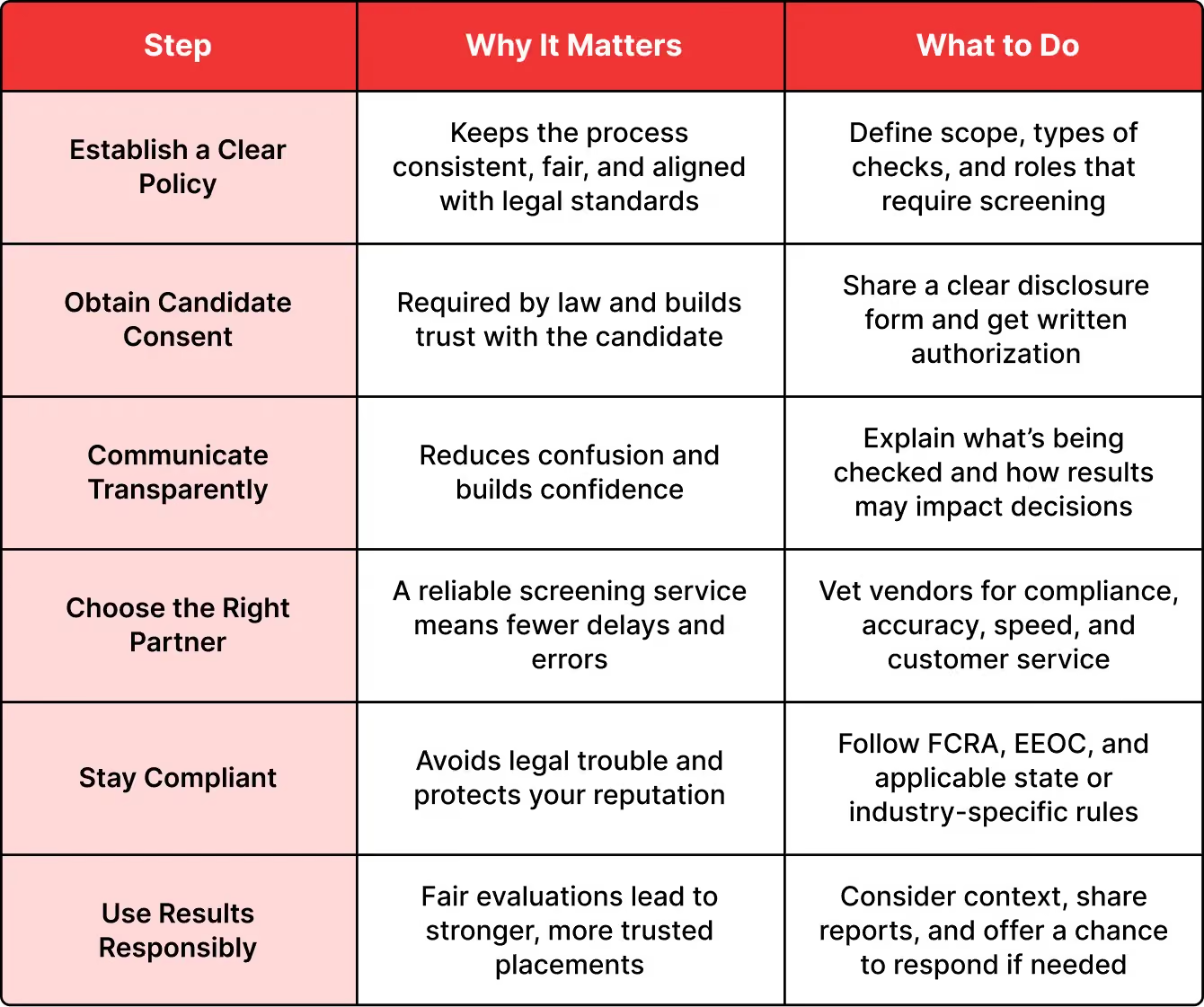
Hiring managers face enough complexity: running checks, handling compliance, and chasing paperwork shouldn’t slow you down. That’s why many staffing agencies partner with providers like Consultadd, we don’t just verify candidates, but deliver ready-to-hire professionals.
Partnering with Background Screening Services
Better talent starts with better screening, done faster, smarter, and with zero legal blind spots. These services help with:
Streamlining the Screening Process
- Speeds up hiring without cutting corners
- Eliminates manual errors and follow-ups
- Frees your team to focus on placements
Ensuring Compliance with Legal Standards
- Keeps checks aligned with FCRA, EEOC, and state laws
- Lowers the risk of costly compliance errors
- Transfers much of the legal burden to your vendor
Customization and Integration Capabilities
- Matches screenings to specific roles and industries
- Integrates smoothly with your ATS and HR tech
- Scales with your growth and hiring volume
Conclusion: Achieving Safer Hiring Practices with Balanced Background Checks
Hiring managers are under pressure to deliver candidates who are not only qualified but trusted. One misstep in background screening can cost client trust, compliance headaches, and lost revenue. And when candidates drop off mid-process or paperwork stalls the start date, the damage multiplies fast.
Balanced background checks are your front line of protection. They reduce risk, accelerate onboarding, and help you deliver placements that last. But to achieve this at scale, you need more than a screening checklist, you need a strategic partner.
Consultadd transforms your hiring process into a well-oiled engine for safe, compliant, and reliable placements:
- Every hire is vetted for skill, background, and compliance: ready to contribute from day one.
- Lower turnover risks mean your candidates stick through onboarding, projects, and growth.
- Seamless compliance with visa, documentation, and legal standards handled without extra burden on your team.
- Post-placement support ensures long-term candidate success, so value doesn’t end at the offer letter.
We back this with:
- 1:1 account managers who know your hiring rhythm
- Top 100 pre-vetted candidates sourced in the last year
- 65+ staffing agencies trusting us year after year
- 5,000+ successful staffing engagements to date
- Master Service Agreements with industry leaders like Robert Half and Teksystems
- 14+ years of experience with ready-to-deploy talent
- Turnaround in less than 24 hours when urgency strikes
- Strong university ties for building future talent pipelines
Start Strong With Consultadd
Working with an experienced partner like Consultadd ensures you hire smarter. From structured processes to real-time market insights, we help you avoid costly missteps and build teams that deliver from day one.
In a market where great tech talent is hard to find and harder to keep, your approach to staffing makes all the difference. Looking to build a future-ready tech team? Contact Us>>
Key Takeaways
- Background checks help verify candidate credentials, reduce hiring risks, and protect client trust.
- Tailor screening types: criminal, employment, education, driving, drug, immigration, and social media to the requirements of each role.
- Stay compliant with employment laws such as the FCRA, EEOC guidance, and applicable state regulations throughout the screening process.
- Partnering with professional background screening providers improves hiring speed, accuracy, and compliance.
- A structured background check process leads to safer hiring decisions, stronger placements, and long-term recruitment success.
FAQs
Why are background checks important in the hiring process?
Background checks verify a candidate's identity, qualifications, employment history, and legal eligibility, helping employers reduce hiring risks and make informed decisions.
What information is typically included in an employment background check?
Depending on the role, background checks may include criminal history, employment and education verification, driving records, drug testing, work authorization, and social media or online presence reviews.
Are employers required to obtain permission before conducting a background check?
Yes. Under the Fair Credit Reporting Act (FCRA), employers must obtain written consent before conducting certain employment background checks and follow required disclosure procedures.
How can staffing agencies ensure background checks remain compliant?
By following federal and state employment laws, maintaining candidate privacy, documenting hiring decisions, and working with reputable background screening providers.
How does Consultadd support safe and compliant hiring?
Consultadd provides pre-vetted candidates, verifies credentials and work authorization, supports compliance requirements, and helps staffing agencies make faster, lower-risk hiring decisions.

Cost-Effective Hiring Strategies for Competitive Recruitment
Introduction
As a hiring manager or recruitment professional, you’re always looking for ways to find great talent without blowing your budget.
Hiring the right talent isn’t just about filling a vacancy, it’s about finding the perfect fit quickly, efficiently, and cost-effectively.
Since traditional methods are being re-evaluated, finding cost-effective hiring strategies has become essential.
The challenge? How do you secure top-tier talent while keeping recruitment costs under control? The answer to overcoming this challenge is embracing efficient and budget-friendly hiring strategies.
In this blog, we'll explore budget-friendly, efficient strategies that will help staffing professionals like you streamline your hiring process and stay ahead in this fast-paced market.
Let’s understand the tactics that will help you attract, assess, and hire the best candidates while keeping your costs in check.
TL;DR
- Employee Referrals: Leverage your team's network for cost-effective, high-quality hires with better retention and cultural fit.
- Outsourcing Recruitment: Outsource parts of your hiring process to save time, reduce costs, and speed up the hiring process.
- Harness Technology: Use tools like ATS, AI screening, and video interviews to streamline candidate management and reduce hiring time.
- Remote Work: Expand your talent pool and cut costs by offering remote or flexible work options, appealing to a larger and more diverse workforce.
- Internal Growth: Promote from within and invest in employee training to save on external hiring costs and retain top talent.
- Recruitment Marketing: Use targeted ads, employer branding, and content marketing to attract the right candidates without overspending.
Employee Referrals as a Cost-Effective Hiring Tool
Why You Should Make Employee Referrals Your Go-To Strategy?
- Reduced Cost: Employee referrals often cost less than traditional job boards or agency fees.
- Higher Retention: Referred candidates tend to stay longer, making your hiring investment pay off.
- Better Cultural Fit: Employees who refer candidates understand your culture, leading to better matches.
Pro Tip: Offering incentives, such as bonuses or extra time off, can increase employee participation in referral programs.
By building a strong referral culture, you’ll cut down on sourcing time and attract high-quality candidates quickly.
Outsourcing Recruitment Tasks to Experts
Outsourcing parts of your recruitment process can save you time and reduce the cost of hiring. From screening resumes to initial interviews, using third-party experts can free up your internal team to focus on higher-priority tasks.
Looking to refine your recruitment process even further? Check out our blog on How to Hire the Best: The Recruiting Best Practices You Need to dive deeper into proven strategies and methods for attracting top talent.
Harnessing the Power of Technology for Recruitment
Managing a large volume of applicants is difficult without the right tools. Investing in technology can drastically cut your recruitment costs and time.
Top Tech Tools You Need:
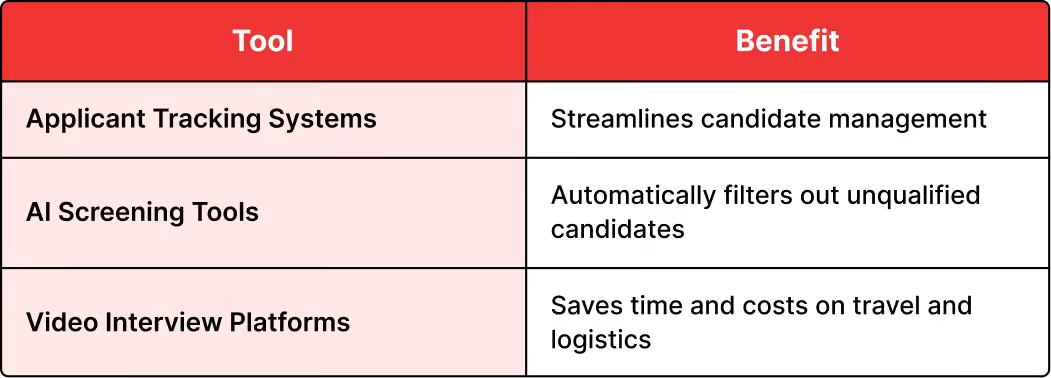
Technology enables faster decision-making and a smoother hiring experience for both recruiters and candidates.
Leveraging Remote Work for a Wider Talent Pool
Remote Hiring: The Secret to Expanding Your Talent Search
In the age of remote work, your talent pool is no longer confined to your geographic location. By offering flexible or fully remote roles, you can access a larger, more diverse pool of candidates.
- Global Talent Access: Tap into regions with highly skilled, lower-cost talent.
- Flexible Work Options: Attract top talent seeking work-life balance without increasing overhead.
Pro Tip: Using remote work as a recruitment strategy not only reduces hiring costs but also appeals to the growing demand for flexibility in the workforce.
Remote work can expand your hiring opportunities and reduce costs related to office space and relocation packages.
Training and Internal Promotion for Cost-Efficiency
What’s Better than External Hiring? Internal Growth.
Promoting from within and offering training programs can be a game-changer for your recruitment strategy. Why spend extra on external hiring when you can upskill and promote your existing talent?
Do's and Don'ts of Internal Training and Promotions
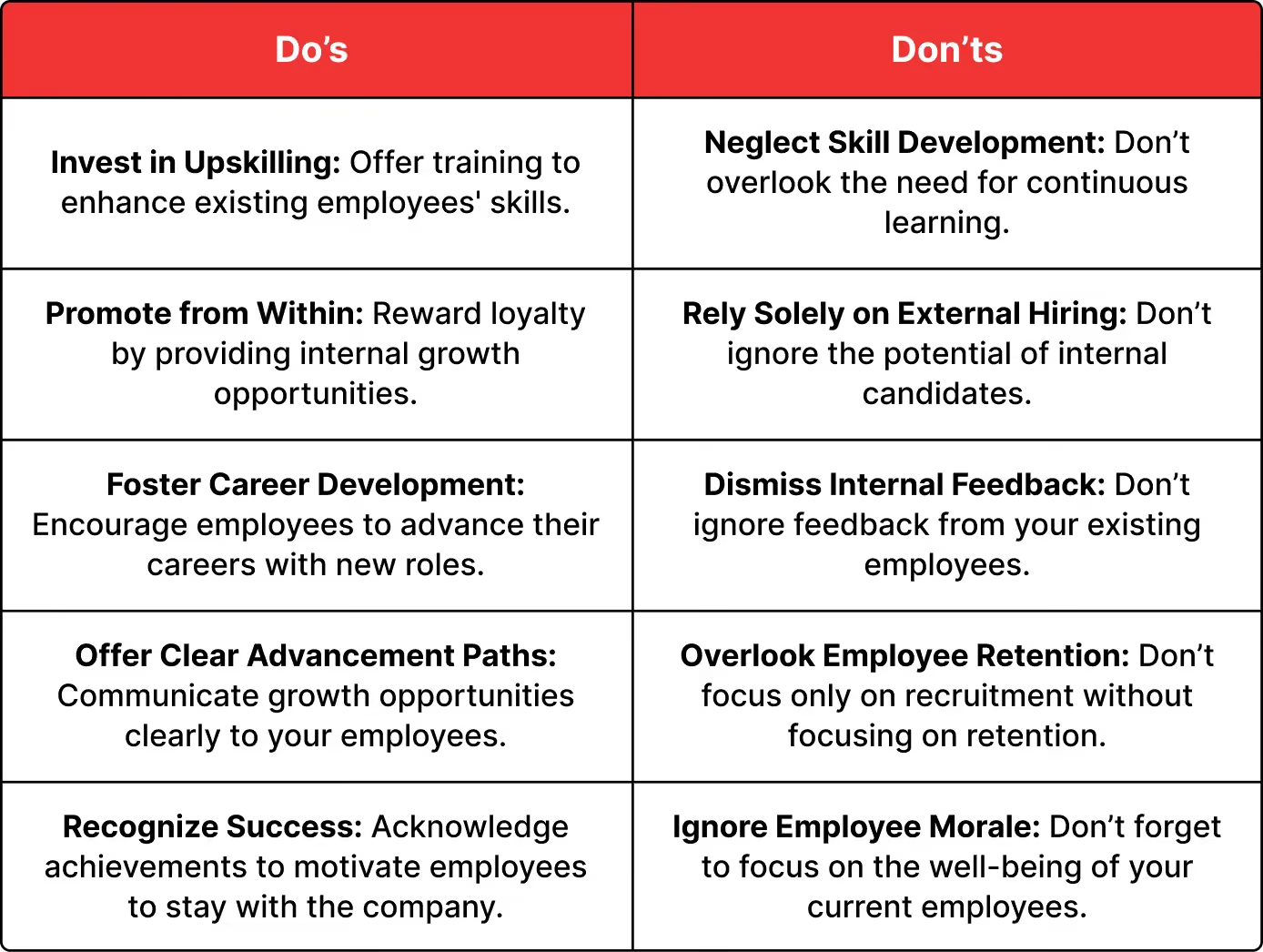
Internal promotions save on recruitment costs and increase employee loyalty, making them a worthwhile investment.
Implementing an Effective Employee Referral Program
Q1: Why should I invest in a referral program?
A: Employee referrals are one of the most cost-effective ways to fill open roles. They significantly lower the cost per hire and increase the quality of candidates. Employees who refer candidates are typically more invested in ensuring a good match, which leads to better long-term fits.
Q2: How do I get employees to refer to top candidates?
A: Offering incentives such as bonuses, recognition, and even extra vacation days can motivate your employees to refer the best candidates for open positions.
Employee referrals build a self-sustaining pipeline of high-quality candidates at a comparatively lower cost than traditional methods.
Looking to streamline your hiring process and secure the best talent quickly?
With Consultadd’s expertise and extensive network, you can enhance your recruitment strategy, filling positions faster while maintaining quality. Get in touch today to optimize your hiring approach and ensure you consistently meet your client’s needs.
Optimizing Your Recruitment Marketing
How Can Marketing Impact Your Recruitment Budget?
Recruitment marketing isn’t just about posting job ads. It’s about attracting the right talent even before they see your open roles.
Key Recruitment Marketing Strategies:
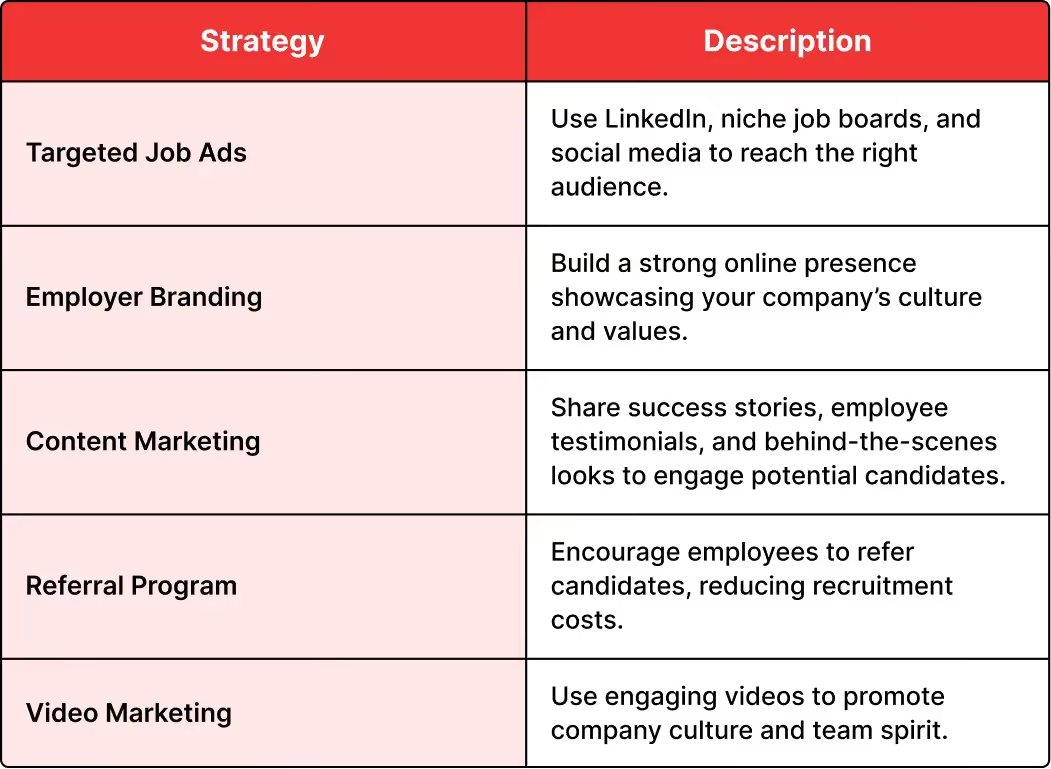
Recruitment marketing ensures that your job openings attract the right candidates, reducing reliance on job boards and lowering recruitment costs.
Utilize Freelancers and Contractors
Hiring full-time employees isn't always the best option, especially when you're dealing with short-term projects or seasonal demands.
Bringing in freelancers or contractors can be a great way to control costs while still securing top-notch talent for specific tasks.
Benefits of Hiring Freelancers or Contractors:
- Cost-Effective: You only pay for the work completed, with no long-term commitment or benefits required.
- Flexibility: Freelancers can jump into projects as needed, reducing downtime.
- Access to Specialized Talent: You can hire experts for short-term needs without the need to onboard permanent employees.
Pro Tip: If you want to keep a steady pipeline of contractors, build a network of reliable freelancers so you can quickly access talent when a project arises.
Build and Maintain a Talent Pool
Building a talent pool can save your agency time and money by ensuring you have access to qualified candidates when the right roles arise. Here’s how:
1. Time-Saving
You won’t need to start sourcing from scratch every time a new position opens. You already have a list of pre-screened, qualified candidates.
2. Cost-Effective
By re-engaging past candidates and passive talent, you avoid the high costs of advertising, job boards, or third-party recruitment agencies.
3. Faster Hiring
With a ready pool of candidates, you can reduce your time-to-hire, ensuring that the hiring process stays fast and efficient.
4. Quality Candidates
Having a pre-vetted talent pool means you’re already ahead in finding the best candidates, ensuring high-quality hires.
Now, you can build and maintain a talent pool that will significantly enhance your recruitment strategy while minimizing costs.
Foster an Inclusive Hiring Process
Inclusive hiring practices not only help you tap into diverse talent but can also be a cost-effective strategy. A diverse team often brings fresh perspectives, creativity, and problem-solving skills, which can drive innovation and improve business outcomes.
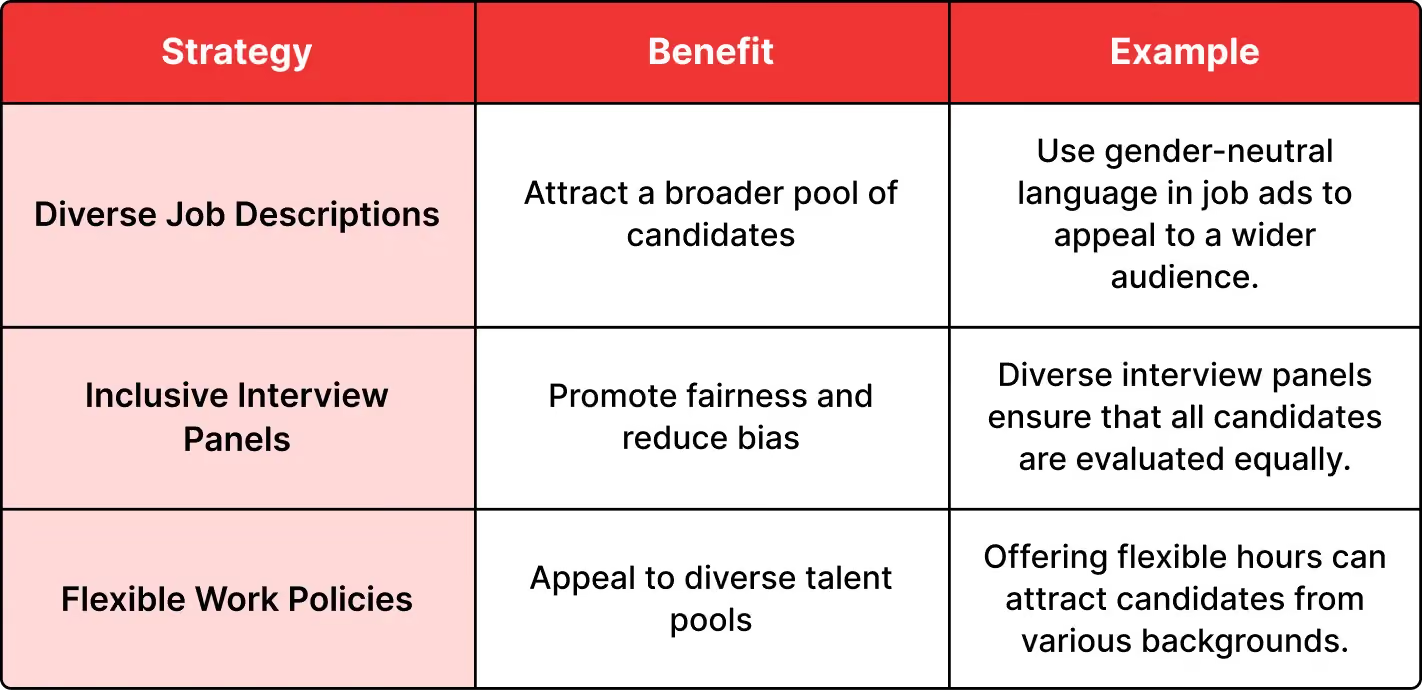
By promoting diversity, you're not just meeting hiring goals but also building a more inclusive and high-performing team.
Conclusion: Master Your Recruitment Strategy with the Right Approach
In today’s fast-paced recruitment world, staying ahead of challenges requires the right strategies. Whether it’s talent shortages, high competition, or delays in the hiring process, adopting the right approach can make all the difference in accelerating your recruitment without compromising on quality.
By adopting these cost-effective hiring strategies, you can optimize your recruitment process, reduce hiring delays, and ensure you stay ahead of the competition.
Looking to elevate your hiring process and access top-tier talent quickly? Explore how Consultadd’s pre-vetted pool of skilled professionals can help you streamline your recruitment strategy and meet your client's needs more efficiently.
Start Strong With Consultadd
Working with an experienced partner like Consultadd ensures you hire smarter. From structured processes to real-time market insights, we help you avoid costly missteps and build teams that deliver from day one.
In a market where great tech talent is hard to find and harder to keep, your approach to staffing makes all the difference. Looking to build a future-ready tech team? Contact Us>>
Key Takeaways
- Leverage employee referrals to find high-quality candidates at a lower cost.
- Outsource recruitment tasks to specialists to save time and focus on core strategies.
- Implement technology solutions to streamline and automate key parts of your hiring process.
- Expand your talent pool with remote work options, opening up opportunities for diverse candidates.
- Focus on internal promotion and training to fill roles while saving on external hiring costs.
- Invest in targeted recruitment marketing to attract the right candidates without overspending.
FAQs
How can employee referrals help reduce hiring costs?
Employee referrals are a cost-effective way to find quality candidates, as they typically lower recruiting fees compared to traditional job boards or agencies and result in longer employee retention.
What’s the benefit of outsourcing recruitment tasks?
Outsourcing recruitment tasks such as screening resumes or conducting initial interviews allows your team to focus on final decision-making. It can save time and reduce costs, making your process more efficient.
How does technology help in the hiring process?
Tools like Applicant Tracking Systems (ATS), AI-powered screening, and video interviews help streamline candidate management, automatically filter out unqualified candidates, and reduce costs associated with travel and logistics.
What are the advantages of offering remote work options?
Remote work opens up access to a wider talent pool, often reducing costs related to office space, relocation, and overheads. It also appeals to candidates seeking work-life balance, which can attract top talent.
Why is internal promotion a cost-effective hiring strategy?
Promoting from within reduces the need for external recruitment and associated costs. It also boosts employee morale, loyalty, and retention, as employees feel valued and see clear career advancement opportunities within the organization.

How to Build a Passive Candidate Pipeline for Successful Recruitment
Introduction
You’re tired of chasing candidates who ghost you halfway through the hiring process.
You’re wasting hours on calls, only to realize they’re not the right fit or worse, not even available.
You want something better. Smarter. More reliable.
This is where passive recruitment steps in, not as another buzzword, but as your key advantage.
It’s how high-performing staffing agencies quietly stay three steps ahead of their competition.
In fact, LinkedIn reports that 39% of professionals fall into this passive category. That’s nearly half the talent market you’re missing if you only focus on active job seekers.
Imagine having a hidden bench of top-tier tech talent, already warmed up and ready when your client calls.
No scrambling. No last-minute hustle. Just confident delivery, every time.
This isn’t just about filling roles; it’s about making hiring more predictable and less reactive. Therefore, in this article, we’ll learn how to build a passive candidate pipeline for successful hiring strategically.
TL;DR
- Passive hiring makes a real difference: The most valuable future hires aren’t browsing job boards, they’re already succeeding elsewhere.
- Build before you need: A passive talent pipeline reduces last-minute scrambles and strengthens long-term candidate fit.
- 10 smart strategies: From sourcing on niche platforms to offering career growth, proactive tactics turn cold leads into ready talent.
- Consultadd makes it seamless: With 5K+ successful placements and talent sourced in under 24 hours, we help you stay ahead
Who Is a Passive Candidate?
A passive candidate is someone currently employed, not actively job hunting, but open to the right opportunity. Maybe they’re thriving in a high-impact role or simply not looking to move. Still, their skills catch your eye.
These candidates often come with strong credentials, proven reliability, and industry respect. They’re not easy to win, but that’s what makes them worth the effort.
Pro tip: The best time to connect with a passive candidate is before they start looking.
Passive Candidate vs. Active Candidate
Understanding this difference can change how you source, engage, and convert top talent.
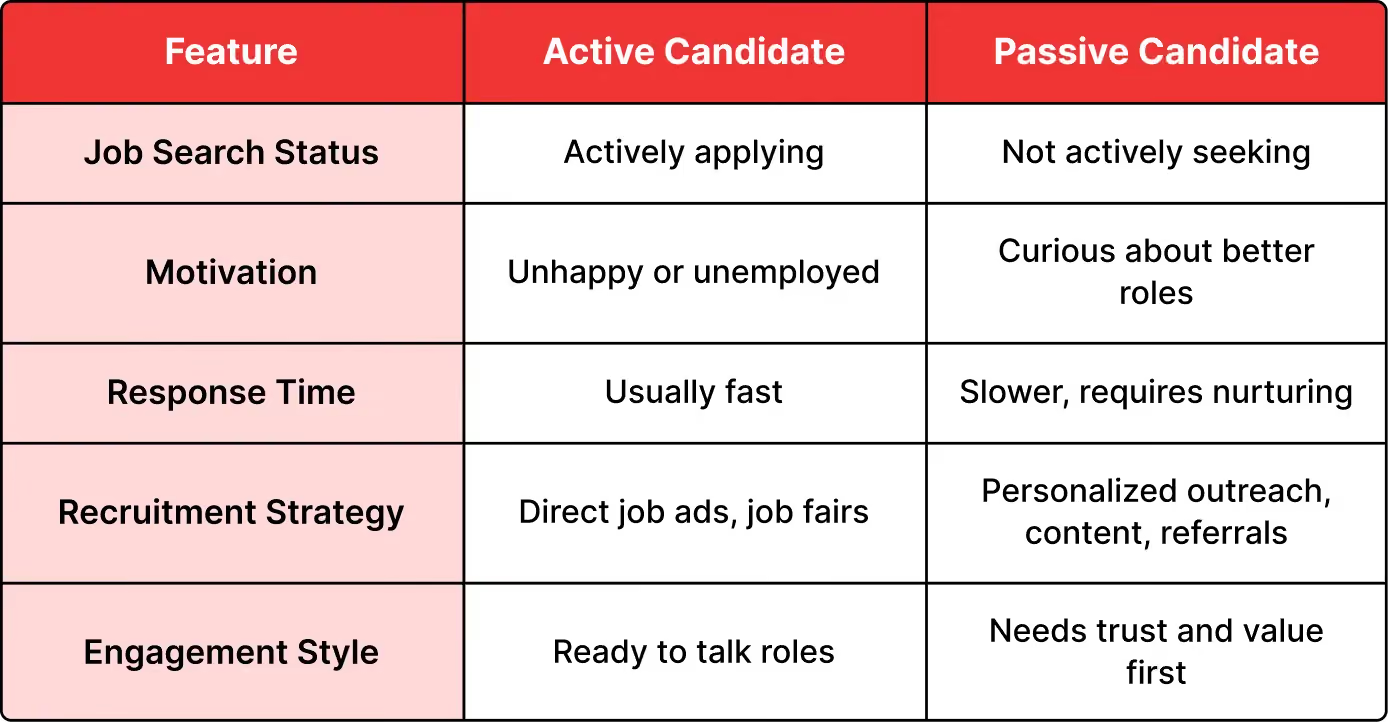
While active candidates are easier to reach, passive ones often bring stronger retention and long-term fit. And with the right strategy, they become your competitive advantage.
Remember, passive candidates don’t want “jobs”, they want career moves. Make it worth their time.
The Importance of Building a Passive Candidate Pipeline
Last-minute hiring leads to stress, rushed decisions, and lost opportunities. A passive pipeline changes everything.
Why “Wait and Panic” Fails
- Reactive hiring slows you down.
- Urgency leads to poor-fit candidates.
- Competitors win while you’re still sourcing.
Therefore, always build before you need. Not when you're desperate.
Passive Candidates Bring Long-Term Value
- They're skilled, reliable, and selective.
- They aren’t desperate and that’s a good sign.
- They stick around longer when approached right.
A Safety Net in Talent Shortages
- You already know who to call.
- No scrambling, just re-engaging.
- Clients love a fast, confident “yes.”
Start Before the Storm Hits
- Passive pipelines are a future-proof strategy.
- They help you stay fast, calm, and competitive.
- Build trust with clients by always being ready.
Consultadd helps you build and maintain a steady pipeline, providing ready-to-hire, pre-vetted candidates, cutting down sourcing time and ensuring compliance.
Why the Challenge of Recruiting Passive Candidates
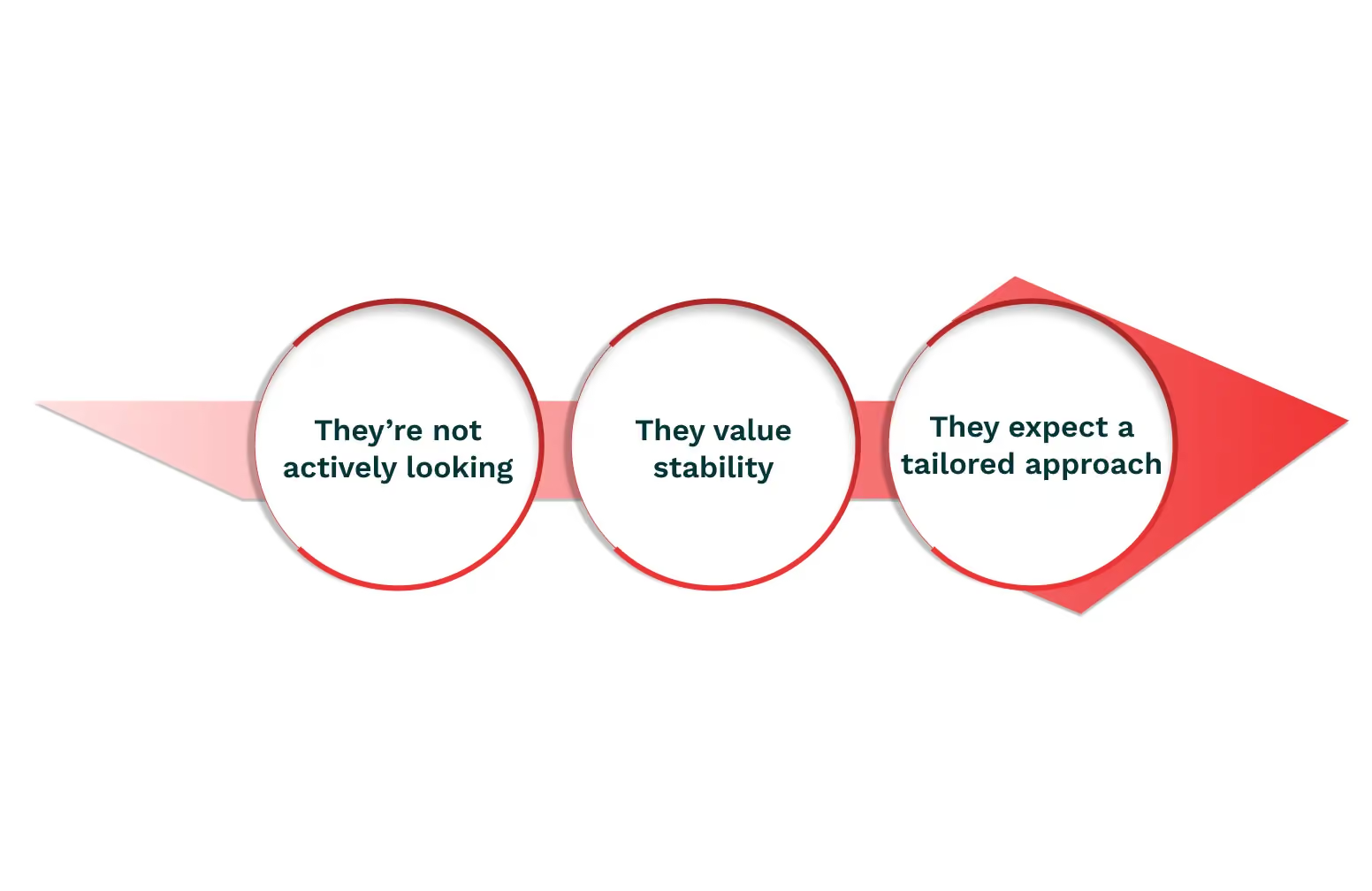
- They’re not actively looking
They’re satisfied where they are. Change isn’t on their radar until something truly better comes along. - They value stability
Leaving a role that’s working well isn’t easy. It takes a compelling reason. - They expect a tailored approach
One-size-fits-all messaging doesn’t cut it. These candidates want relevance, not recruitment spam.
10 Strategies to Build a Passive Candidate Pipeline for Successful Recruitment
Hiring doesn’t begin when a req opens. It starts before with a steady, well-built pipeline. Below are 10 actionable strategies to help you turn passive talent into future hires.
1. Develop Clear Candidate Personas
Sourcing without clarity wastes time.
The right persona helps you reach the right person, faster and smarter.
- Define Key Traits
Outline must-have skills, career level, and domain expertise. No fluff, only what matters. - Map Motivators
Understand what drives them, growth, flexibility, tech stack, brand prestige, or job security? - Learn Their Habits
Know where they spend time online. GitHub? Stack Overflow? Niche Slack groups? - Speak Their Language
Use phrases and priorities that resonate with them. No generic outreach. - Align with Hiring Managers
Sync regularly so expectations match. Avoid back-and-forth on candidate fit.
Solid personas help you stop wasting time on misaligned profiles and start focusing on the right ones.
2. Source Candidates from Niche Platforms
Traditional job boards often miss out on top passive talent.
To truly stand out, go where your ideal candidates actually spend their time:
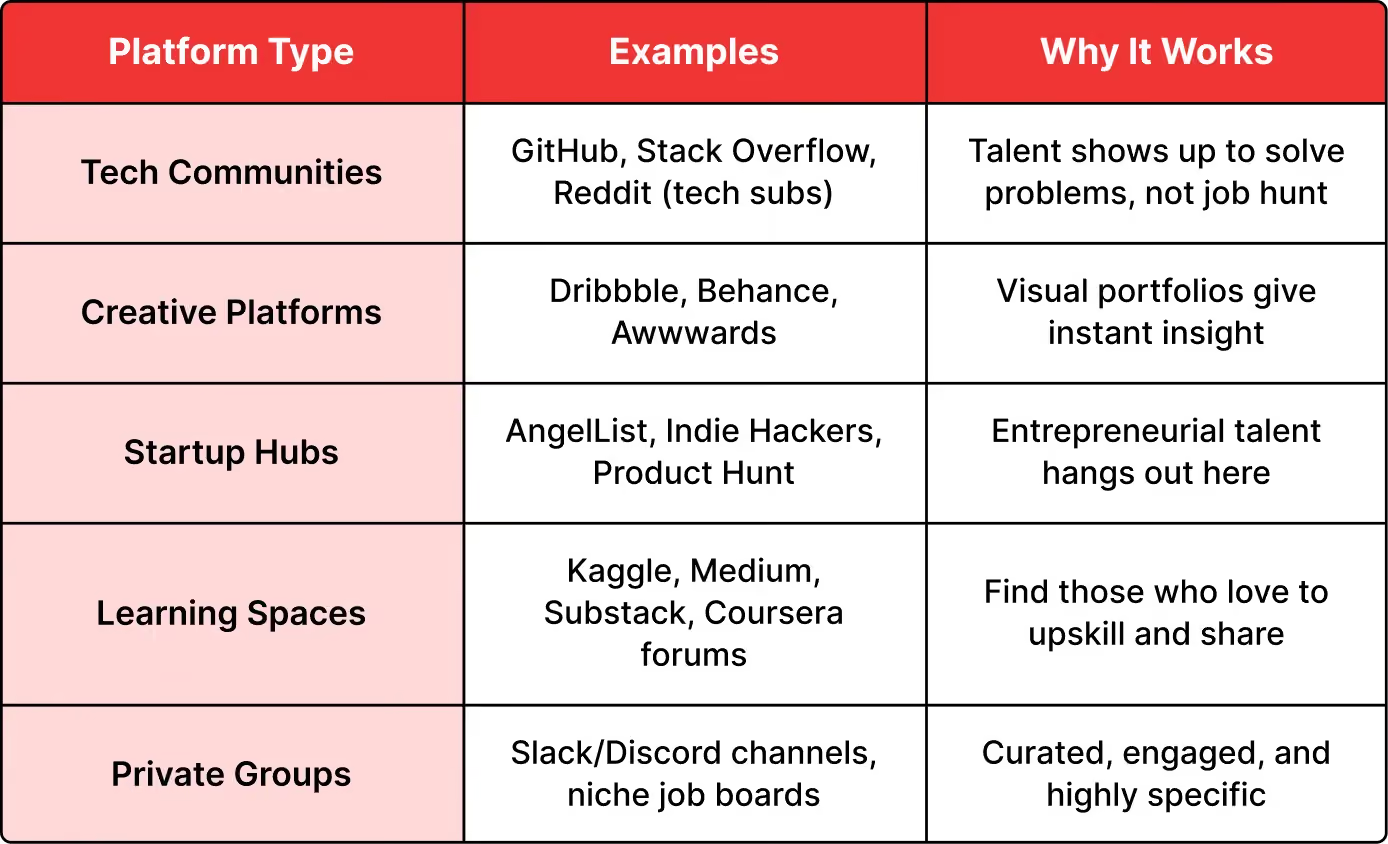
These platforms don’t just attract resumes, they attract drive.
For a more in-depth look at optimizing your sourcing strategy, check out our blog on The Smart Way to Approach Sourcing & Procurement. It dives into smarter procurement methods that align perfectly with passive recruitment.
3. Use Advanced Search Tools and Technology
Manual sourcing can only take you so far.
When speed and precision matter, tech becomes your recruiting advantage.
Boolean Search Still Works If You Use It Right
- Combine job titles, skills, and keywords to refine results.
- Filter out irrelevant profiles with negative keywords.
- Don’t just search resumes. Search bios, posts, and activity.
Chrome Extensions That Save Hours
- Hiretual: Builds complete candidate profiles from fragments.
- AmazingHiring: Pulls data from over 50 platforms in one view.
- Phantombuster: Automates outreach, profile scraping, and lists.
AI-Powered Sourcing Tools
- AI helps predict who’s open to work even before they say it.
- Use tech to surface passive candidates others overlook.
- Smart filters save time and boost accuracy.
Search Beyond LinkedIn
- Use Twitter’s advanced search to find active voices.
- Check GitHub commits or Medium posts for topical expertise.
- Reddit threads often lead to niche talent hubs.
With tech doing the heavy lifting, your team stays focused on building relationships.
4. Personalize Outreach and Build Relationships
Personalization is a proven way to earn trust, boost response rates, and build loyalty.
Here’s a quick breakdown of key strategies that elevate outreach from transactional to meaningful:
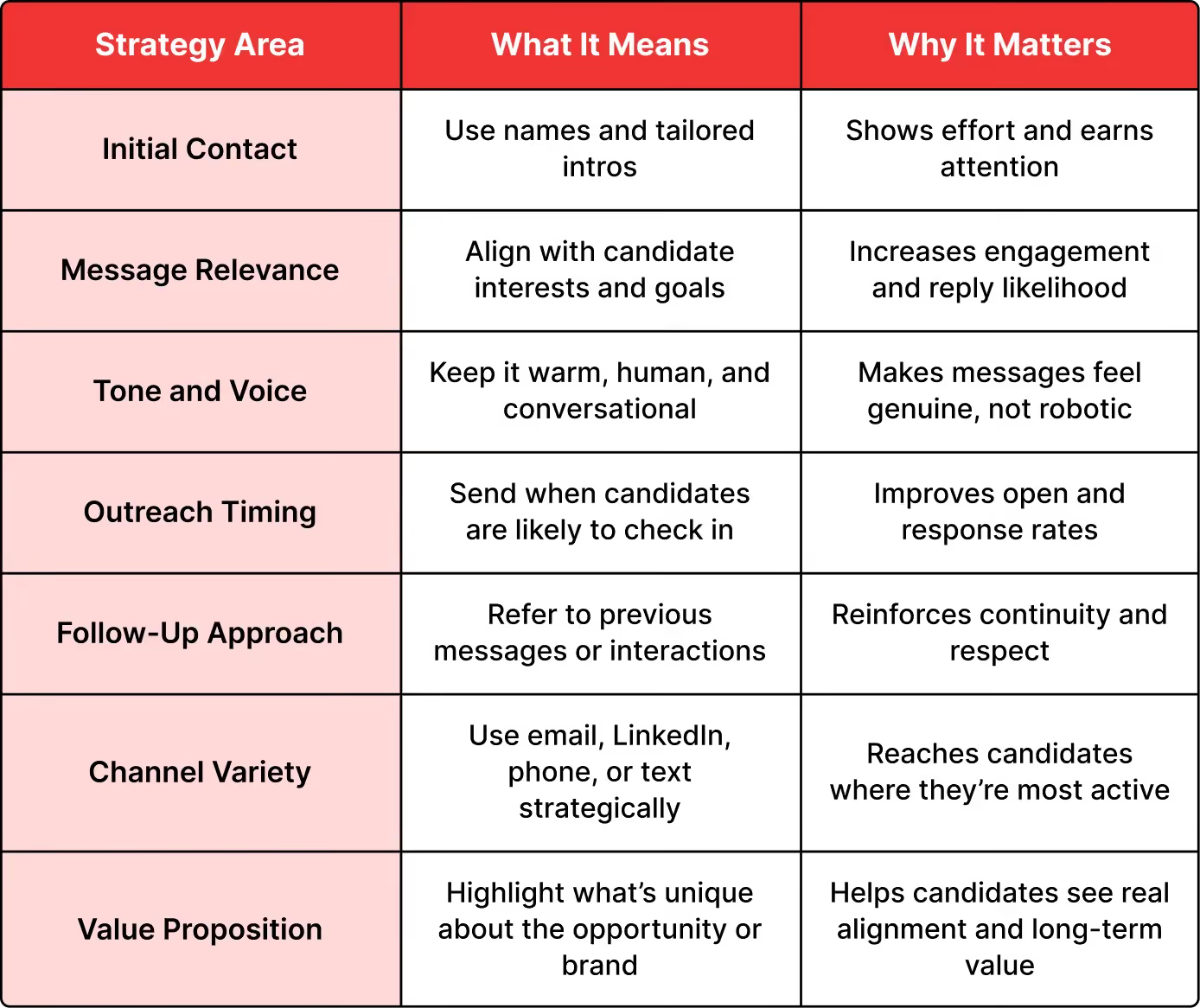
Even a small tweak like changing your subject line or sending a follow-up can build stronger candidate loyalty.
5. Create Value-First Content and Employer Branding
Don’t just pitch roles. Give candidates a reason to care before they ever apply.
Educate Through Content
- Share insights candidates genuinely need, job trends, resume tips, and career advice.
- Stay top of mind by being genuinely helpful, not salesy.
Show Your Human Side
- Post real employee stories and behind-the-scenes moments.
- Authenticity earns attention and trust.
Make It Visually Engaging
- Use short videos, infographics, or memes over plain text.
- People scroll, make them pause.
Keep Messaging Consistent
- Use the same tone and visuals across channels.
- A steady voice builds a recognizable brand.
Speak Their Priorities
- Highlight growth, flexibility, and values not perks.
- Align your content with what candidates truly want.
Pro Tip: Build a content calendar tied to hiring trends and candidate pain points. It keeps efforts focused.
6. Establish Long-Term Candidate Relationships
Relationships win over transactions, especially when candidates feel remembered, not replaced.
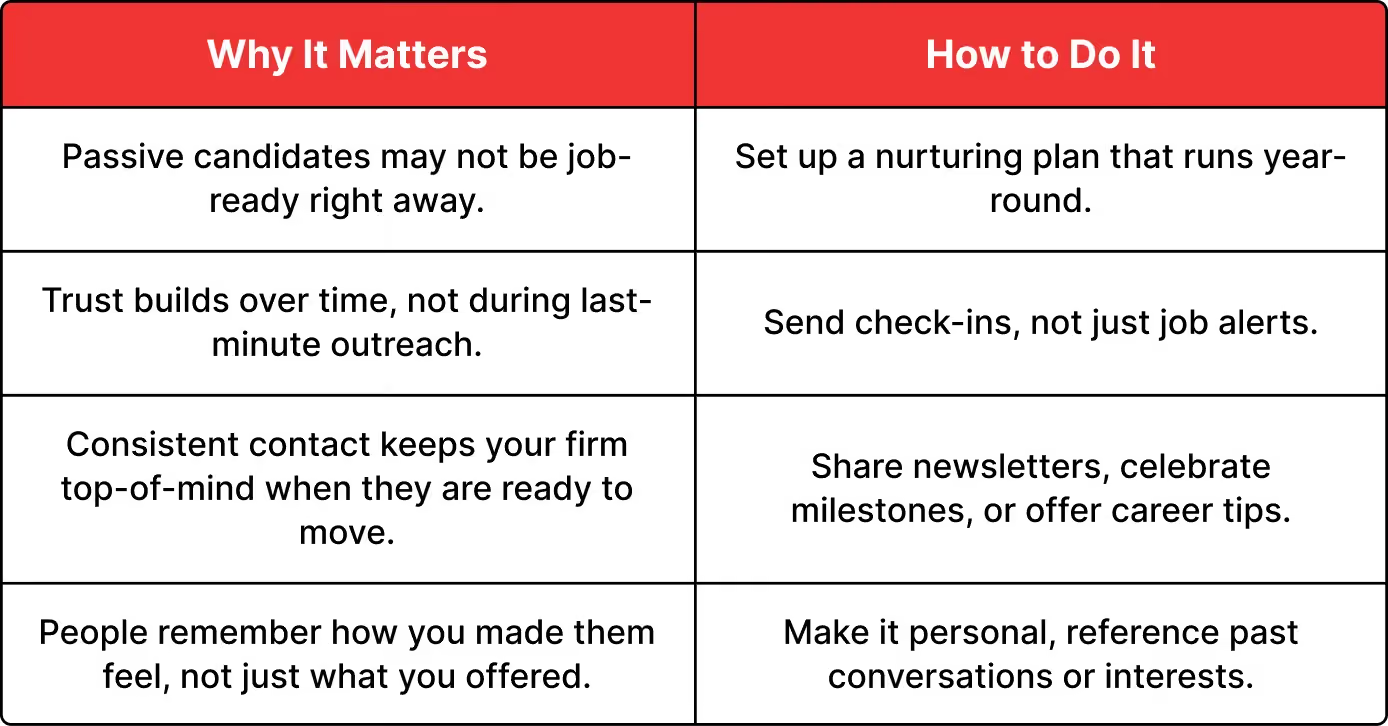
Pro Tip: Create a contact cadence, quarterly touchpoints are ideal to stay relevant without overwhelming.
Building long-term relationships with passive candidates is crucial, but the administrative load can be overwhelming. Consultadd takes care of the administrative tasks like visa, compliance, and paperwork, so you can focus on building lasting candidate relationships.
7. Offer Growth Opportunities and Career Development
Today’s talent doesn’t just want a job. They want growth, meaning, and momentum.
When hiring managers prioritize career development, they become magnets for high-performing candidates who stick around and shine.
- Promote Learning: Suggest roles that offer upskilling or learning stipends.
- Map Career Paths: Show how each role fits into a bigger picture.
- Share Success Stories: Use real examples of career progression post-placement.
- Offer Mentorship: Connect talent with industry leaders or former candidates.
- Support Certification: Highlight employers who cover training or credentials.
Candidates don’t remember job titles, they remember how you helped shape their journey.
This mindset turns short-term placements into long-term professional partnerships.
8. Build Employee Advocacy and Referral Networks
A candidate’s voice carries more weight than any job ad.
When your placed talent feels seen, supported, and successful, they become your greatest advocates, bringing quality referrals right to your door.
- Referrals convert faster and stay longer.
- Candidates trust recommendations from people they know.
- Advocacy builds your brand without added spend.
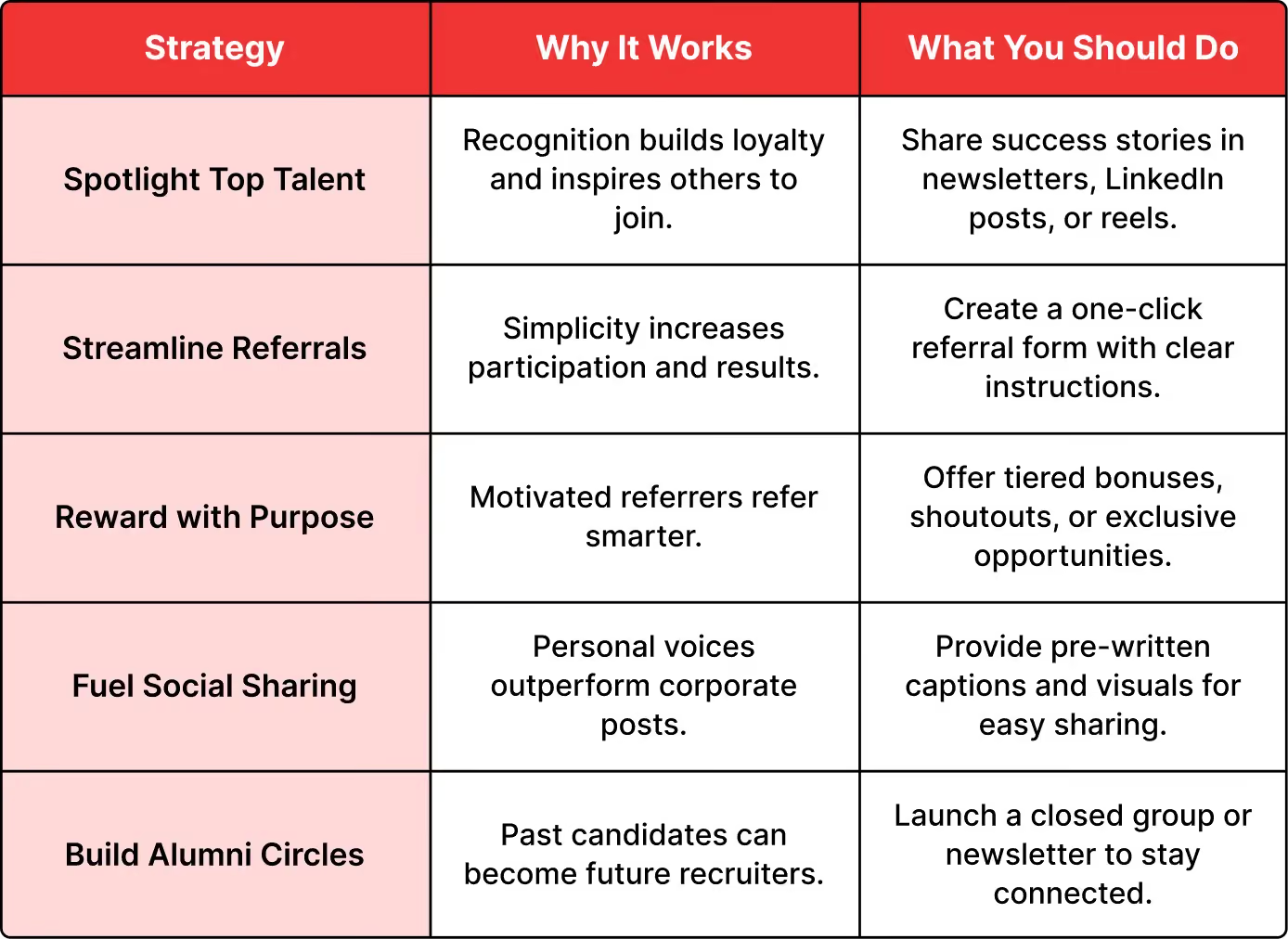
Don't just ask for referrals, earn them.
9. Use Industry Trends to Identify Ready Candidates

John F. Kennedy once said,
“Change is the law of life. And those who look only to the past or the present are certain to miss the future.”
This same principle applies in today’s fast-moving hiring landscape.
Therefore, hiring managers can’t afford to stand still, you must shape what comes next.
And to do that, you just need to know what to look for.
- Timing is everything. Economic shifts, layoffs, and tech booms change candidate availability overnight. Smart hiring managers predict needs before clients even ask.
- Data gives you the edge. Watching trends means you can approach candidates when they’re most open.
How to Spot the Right Time
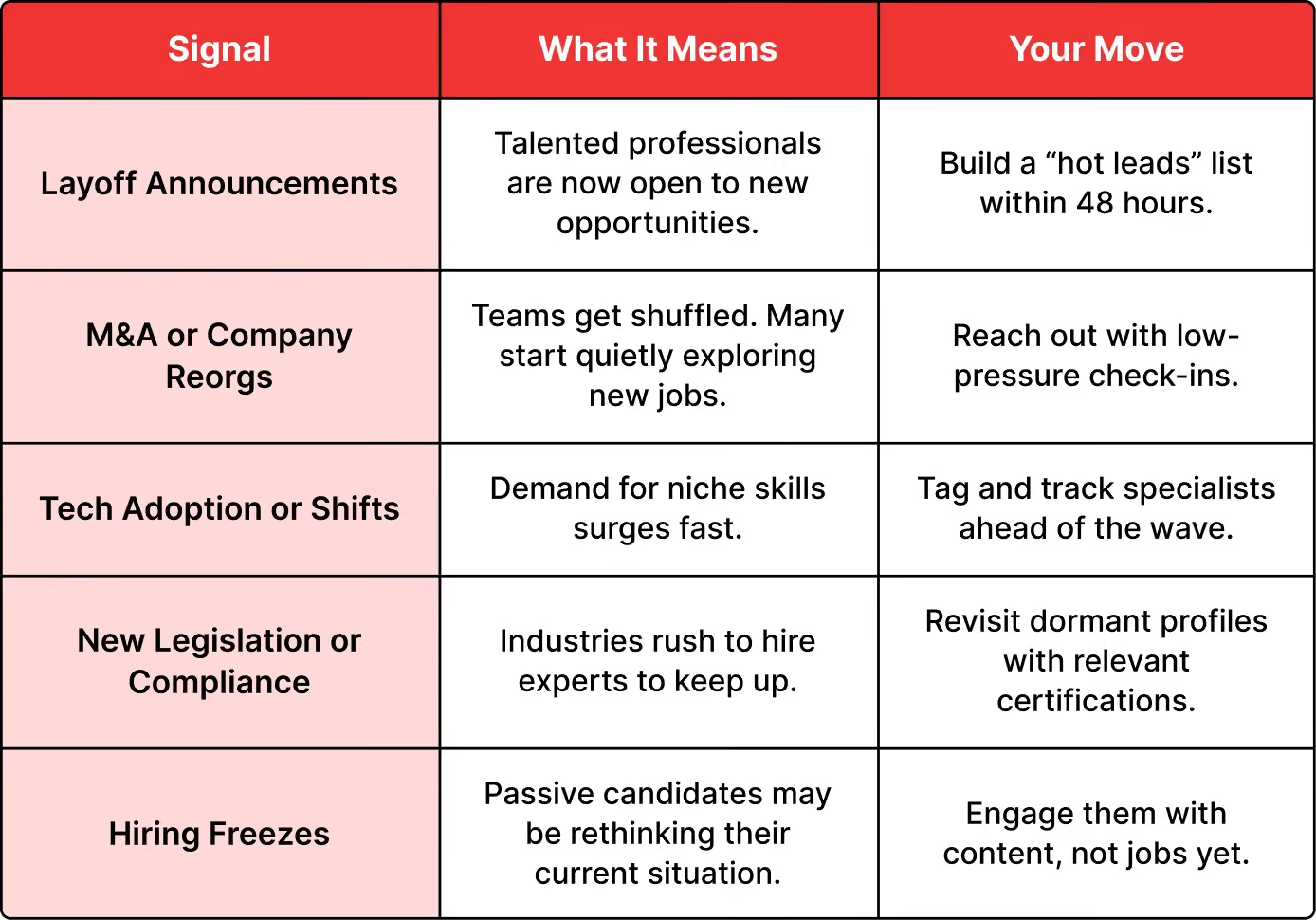
Pro Tip: Set Google Alerts for target companies, sectors, or job titles to stay one step ahead.
10. Provide an Outstanding Candidate Experience
Exceptional experiences turn one-time applicants into lifelong brand champions.
Set Expectations Early
- Be transparent about role details and hiring timelines.
- Candidates appreciate honesty more than vague promises.
Create a Seamless Process
- Use simple applications and mobile-friendly platforms.
- Long forms cause drop-offs.
Humanize Every Touchpoint
- Use their name, reference past chats, and sound real.
- Avoid generic templates.
Deliver Feedback Fast
- Share feedback within 48 hours even if it’s a “no.”
- Silence erodes trust.
Surprise with Small Touches
- A pre-interview tip sheet.
- A “Good luck” message.
- A handwritten thank-you goes miles.
Pro Tip: Track NPS (Net Promoter Score) post-process to measure candidate sentiment and improve it.
To enhance your recruitment process even further, learn how to make every hire count by checking out our blog on Make Every Hire Count: Key Recruitment Improvements, packed with strategies to boost your recruitment efficiency and long-term success.
Conclusion: Future-Proof Your Hiring with Passive Talent Pipelines
Hiring managers know the pressure. Urgent roles, tight deadlines, and a shrinking talent pool. It’s not just frustrating, it threatens client trust, team morale, and business growth.
But with a proactive passive pipeline strategy, you shift from reactive chaos to confident control. You build relationships early, spot the right moments to engage, and deliver a standout experience that keeps candidates coming back even if the job isn't open yet.
That’s where Consultadd becomes your advantage.
With 14+ years in business and 5,000+ successful staffing engagements, we don’t just fill roles, we build reliability into your process. We’ve supported ~65 staffing companies in the past year alone and maintain MSAs with industry leaders like Robert Half and Teksystems.
Here’s what working with Consultadd looks like:
- Talent sourced in under 24 hours
- Ready-to-deploy candidates, vetted for experience and compliance
- Lower turnover risk: we match long-term goals, not just short-term needs
- Seamless compliance: visa, documentation, onboarding? Handled.
- Dedicated 1:1 account managers for responsive, personalized support
- Top 100 candidate matches delivered in the past year
- Strong partnerships with universities to tap into fresh, committed talent
- Post-placement support so your investment grows beyond day one
Start Strong With Consultadd
Working with an experienced partner like Consultadd ensures you hire smarter. From structured processes to real-time market insights, we help you avoid costly missteps and build teams that deliver from day one.
In a market where great tech talent is hard to find and harder to keep, your approach to staffing makes all the difference. Looking to build a future-ready tech team? Contact Us>>
Key Takeaways
- Building a passive candidate pipeline helps reduce hiring delays, improve candidate quality, and strengthen long-term recruitment success.
- Define clear candidate personas and use niche platforms, advanced sourcing tools, and personalized outreach to engage high-quality passive talent.
- Focus on relationship-building, career growth opportunities, and consistent employer branding to keep passive candidates engaged.
- Monitor industry trends and deliver an exceptional candidate experience to improve response rates and future hiring outcomes.
- Partnering with an experienced staffing firm enables faster access to pre-vetted talent while reducing sourcing, compliance, and onboarding challenges.
FAQs
How to build a strong candidate pipeline?
Start early. Define clear candidate personas, engage through valuable content, nurture relationships consistently, and track interactions in a CRM. Use niche platforms, employee referrals, and industry signals to keep your pipeline fresh and aligned with future hiring needs.
Which recruitment method is most effective for attracting passive candidates?
Personalized outreach combined with strong employer branding works best. Passive candidates respond to tailored messages, compelling opportunities, and clear growth potential. Referrals and content marketing also help position your firm as a trusted, long-term career partner, not just a job filler.
How do you engage passive candidates?
Build trust through consistent, value-led communication. Share relevant content, celebrate their milestones, and check in without pitching jobs. When a suitable opportunity arises, position it as a career move tailored to their goals not just another vacancy.
How to identify passive candidates?
Monitor platforms like GitHub, Behance, Reddit, and Slack groups. Look for professionals active in thought leadership, upskilling, or sharing expertise but not job seeking. Track signals like layoffs, company restructures, or certifications to time outreach effectively.

How to Recruit Top Tech Talent: Best Tips
Introduction
You’re not alone. 74% of employers admit they’re struggling to find skilled talent right now. And in 2025, the pressure’s even higher. AI is reshaping job roles. Clients want cloud, DevOps, and full-stack talent who can hit the ground running.
The challenge isn’t just how to recruit top tech talent, it’s how to do it before someone else does.
As a hiring manager, you know that speed matters and so does quality. But neither can come at the cost of trust, compliance, or team fit.
In this article, let’s look at what’s making tech hiring so tough, and how to tackle it.
TL;DR
- Lead with Employee Value Proposition (EVP): Purpose, growth, and belonging matter more than perks, build a compelling EVP.
- Referrals & Talent Mapping Beat Cold Outreach: Map talent networks, incentivize referrals, and tap trusted voices to find hidden gems.
- Go Global, Engage Smart: Source from GitHub, alumni, and niche communities, don’t pitch, add value first.
- Speed Up, Stay Sharp: Cut to 3 interview rounds, use video intros, and streamline scheduling to reduce drop-offs
What Demands Top Tech Talent
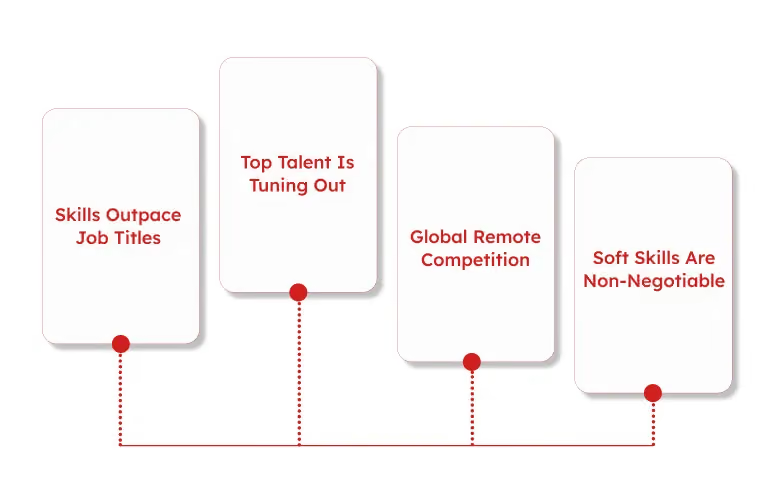
tThe hiring game has changed. Here's what makes tech recruiting harder and more critical than ever:
- Skills Are Evolving Faster Than Job Titles
Tech roles shift quarterly; static job descriptions no longer cut it. - Top Talent Is Tuning Out
Candidates are overwhelmed with outreach and ghosting more than ever. - Remote Work Means Global Competition
You're no longer just competing locally; every agency is in the race. - Soft Skills Are Non-Negotiable
Clients want coders who can also lead, adapt, and communicate clearly.
The road to better hiring isn’t about working harder. It’s about working smarter
Challenges in Recruiting Top Tech Talent
Filling tech roles isn’t just hard, it’s a test of speed, clarity, and strategy.
Even seasoned teams are feeling stretched.
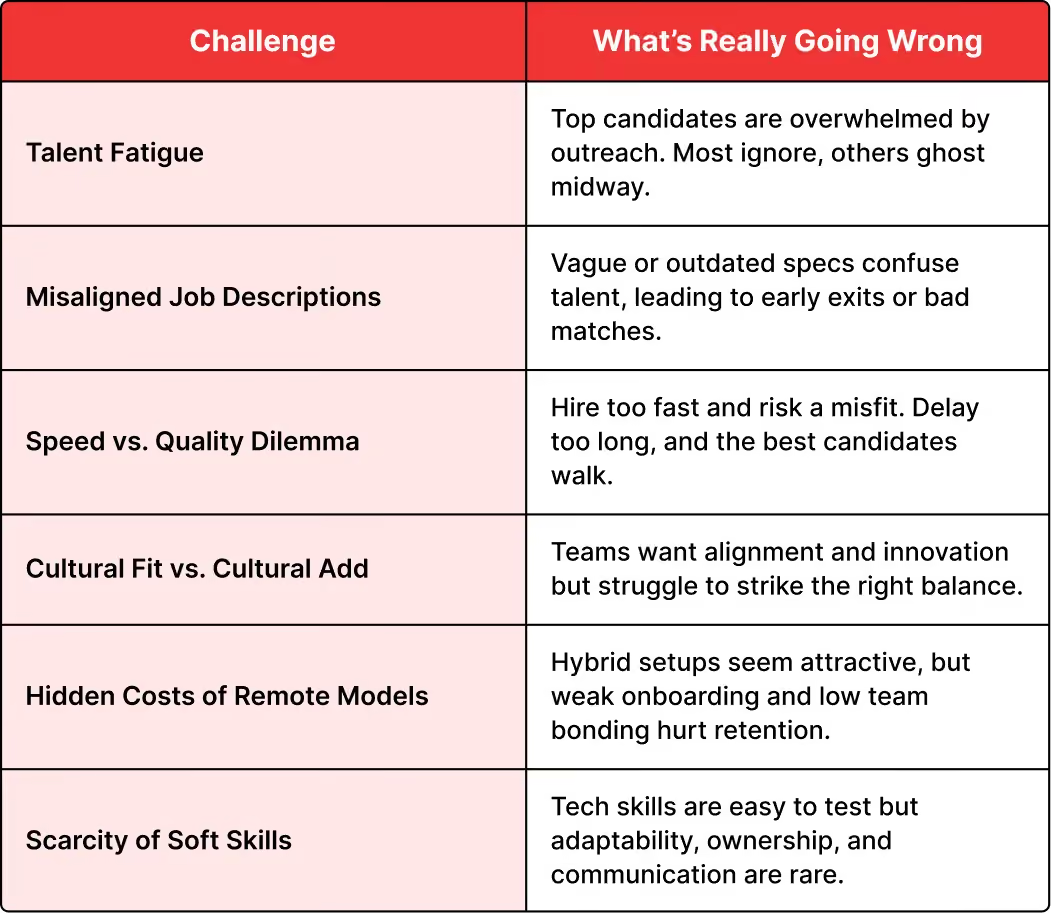
These challenges can slow any team down, but with the right strategy, they’re all solvable.
Top Tech Talent Recruitment: Best Strategies
Your clients want standout candidates, technically sharp, culturally aware, and ready to deliver from day one.
Here’s how you can make that happen:
1. Build a Future-Proof Employee Value Proposition
When tech talent has endless options, a job post isn’t enough.
You’re not just competing on salary, you’re competing on meaning, growth, and belonging.
A strong EVP earns attention before the offer stage.
What Makes a Future-Proof EVP?
It answers one big question: Why should I choose this role right now?
- Purpose over perks: Highlight how their work creates impact, not just output.
- Growth over grind: Show how learning and upskilling are built into the journey.
- Belonging over buzzwords: Back inclusivity claims with real stories and diverse voices.
- Flexibility over free snacks: Autonomy, location freedom, and trust matter more than office gimmicks.
How to Build It?
I. Talk to your own candidates
Ask what keeps them happy and use their words in messaging.
II. Turn stories into proof
Use video, social posts, or testimonials in job listings and emails.
III. Adapt to global markets
Tailor benefits and messaging to each region’s priorities.
IV. Embed EVP everywhere
Add it to outreach, job ads, interview emails, and onboarding decks.
V. Refresh regularly
Update your message every quarter to reflect evolving talent needs.
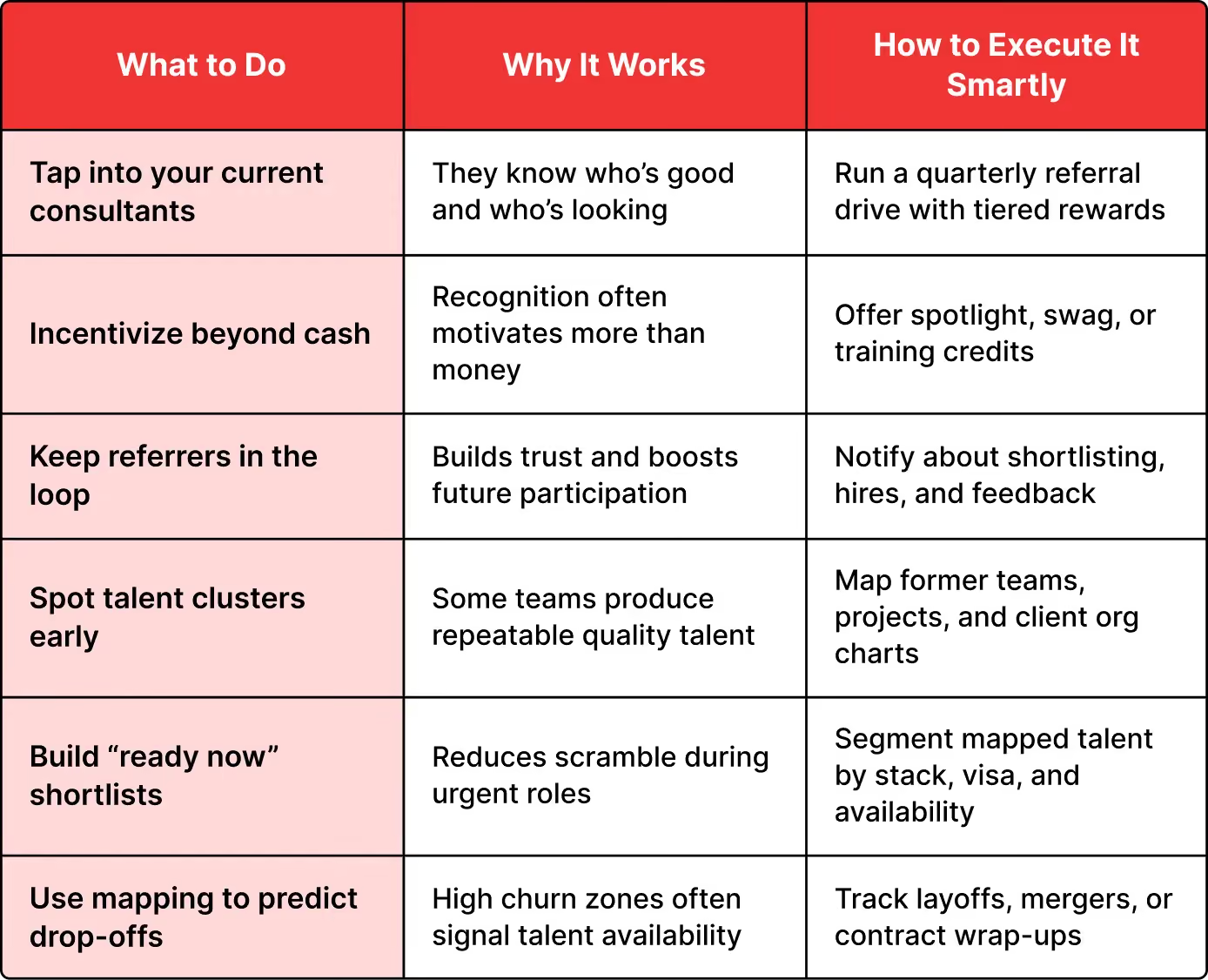
2. Through Referral Programs and Talent Mapping
When inboxes are ignored and job boards fall flat, it’s time to go back to basics.
The strongest candidates often don’t come from cold outreach; they come from trusted voices and smart network .
3. Engage Passive and Global Talent Pools
Top tech talent isn’t always looking, but that doesn’t mean they’re not open.
And the right hire may not be local. Smart sourcing means thinking beyond inboxes and borders.
- Passive Tech Professionals
Engage on GitHub, Stack Overflow, and community forums
- Former Candidates
Reconnect with a “We’d love to work together again” note
- Global Developers
Highlight visa, remote, and support options
- Alumni from Top Projects
Use LinkedIn talent insights to track movements
Pro Tip: Don’t pitch on Day 1, comment on their work or send useful resources first.
Consultadd helps keep candidates engaged by offering strong benefits and career support, minimizing drop-offs, and maintaining their interest throughout the process.
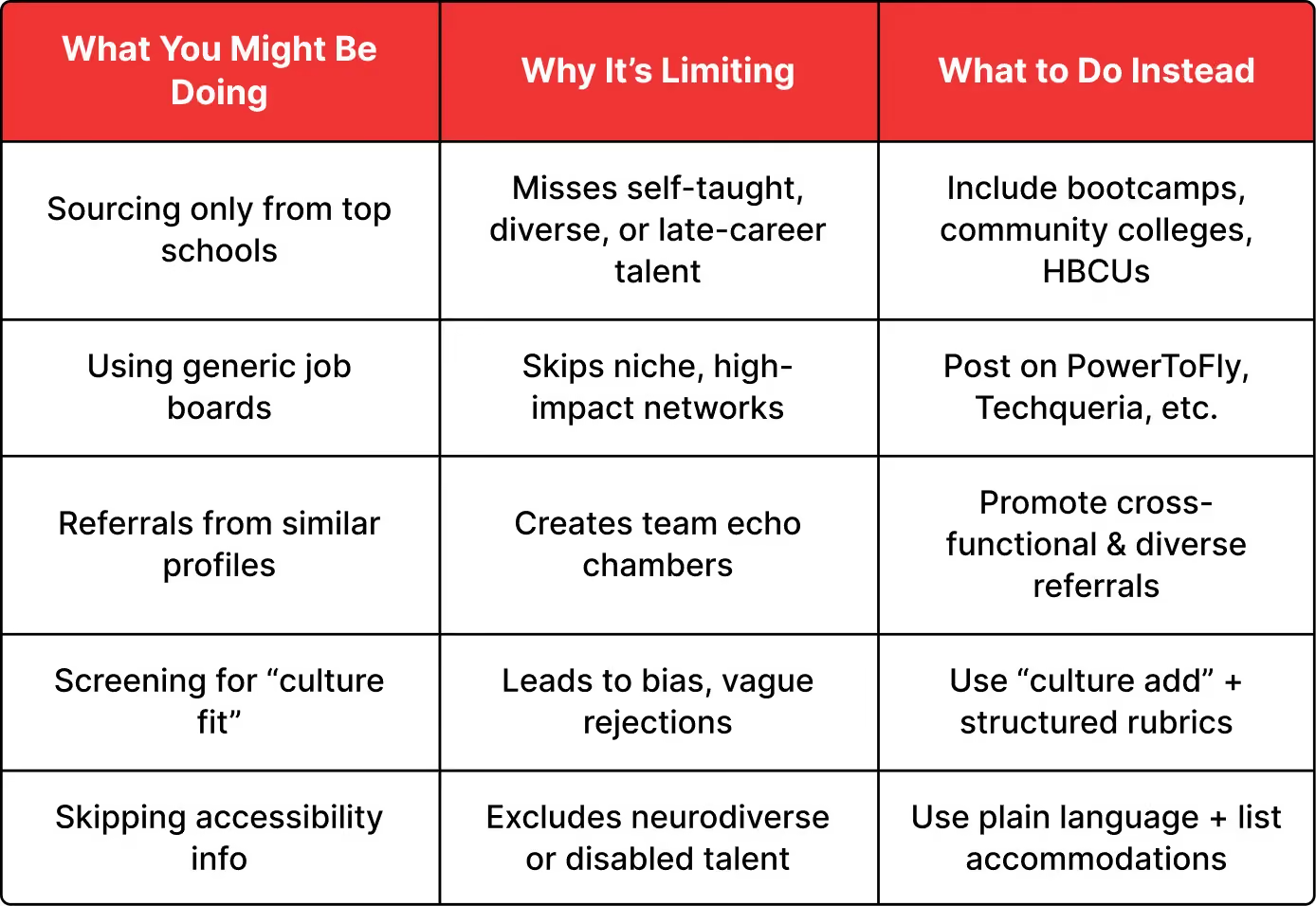
4. Partner for Diversity and Inclusion
Today’s clients want proof not promises when it comes to inclusive hiring.
And candidates want to know they’ll belong before they ever accept the offer.
You can start here:
- Highlight diverse success stories in your job outreach
- Standardize interviews to reduce unconscious bias
5. Focus on Skills-Based Hiring
Jack Ma once said,
“We are never in lack of money. We lack people with dreams, who can die for those dreams.”
When building Alibaba, he didn’t obsess over degrees or pedigrees. Instead, he bet on grit, skill, and the drive to build something meaningful.
Hiring based on resumes alone? That’s playing defense in a game that’s changed.
Clients want candidates who can hit the ground running, not just those who look good on paper.
What To Do Instead?
Ditch:
- Job descriptions full of vague buzzwords
- Resume filters based on years and degrees
- Final-round interviews that test likability, not capability
Do This Instead:
- Align with hiring managers on actual skills needed
- Introduce assessments early (coding tasks, tech walkthroughs, portfolio reviews)
- Let candidates show vs. tell, think GitHub links, sandbox demos, case studies
To dive deeper into this shift, check out our blog on Redefining the Future Workforce with Skills-Based Hiring, where we explore how prioritizing skills over credentials is transforming tech recruiting.
6. Leverage Technology and AI in Recruitment
You don’t have time to chase dead leads.
That’s where tech steps in, not to replace, but to speed up and smarten up your process.
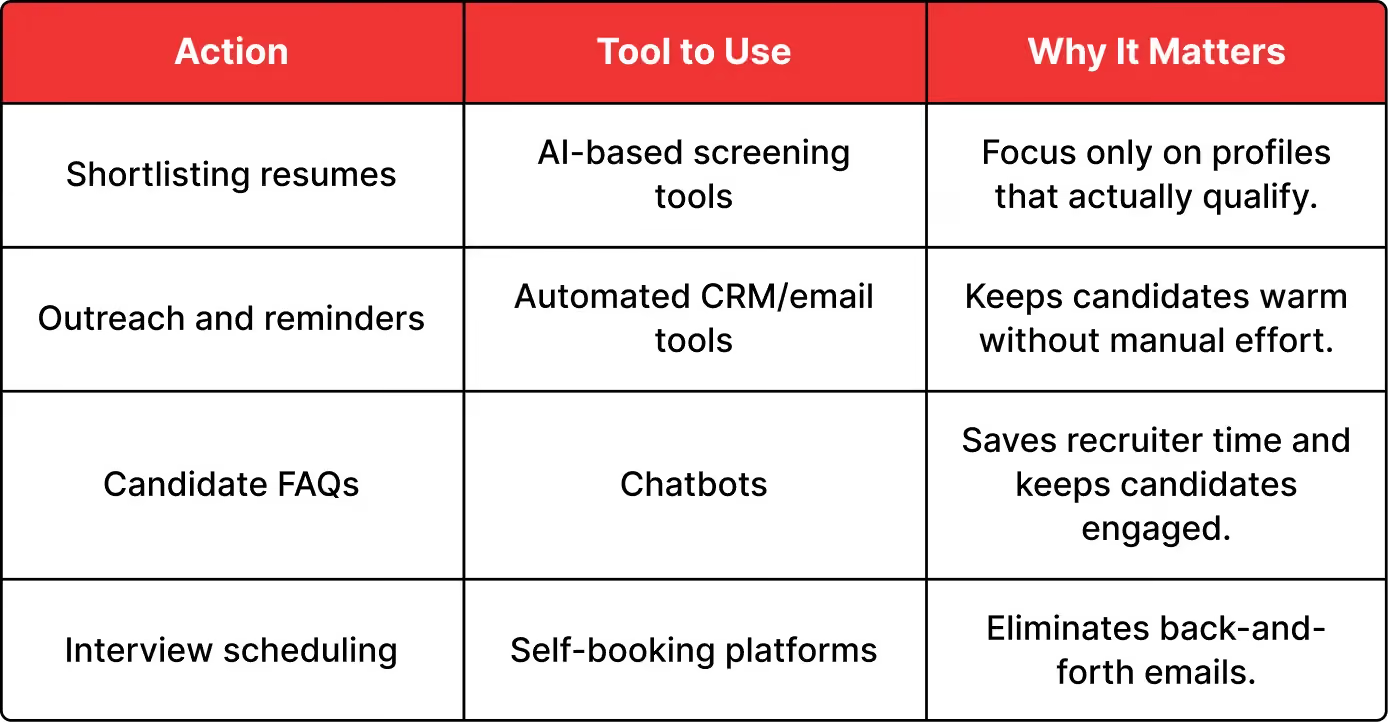
But even the best tools won’t help if you’re not measuring what matters.
You should always track:
- Drop-off rate: Spot where top candidates are exiting your process and fix it fast.
- Time-to-hire: Reveal delays in your hiring flow and tighten up decision-making.
- Source of hire: Double down on the channels bringing you the best-fit candidates.
Consultadd fully manages work authorization, visa, and compliance complexities, so you don’t have to worry about the legal hurdles in hiring global talent.
7. Condense the Funnel Without Losing Quality
Every extra interview adds risk: delays, drop-offs, and lost momentum.
But trimming the funnel doesn’t mean trimming standards. The win? A fast, focused process that still delivers top-tier talent.
- Streamline to Three Rounds
One round for skills, one for team collaboration, and a third for values and growth alignment. Keep it tight. Keep it clear. - Replace Phone Screens with Video Intros
Let candidates record short intros. You skip scheduling; they show up on their time. - Use Automated Scheduling Tool
Empower candidates to book directly. It cuts delays and keeps things moving fast. - Introduce Structured Scorecards
Score every candidate against the same criteria. Fast, fair, and feedback-friendly. - Combine Stages Where You Can
Merge culture fit questions into your tech round. It saves time and avoids repetition. - Set a Time Limit on the Process
Aim for a three-week window from sourcing to offer. Any longer risks losing interest.
Remember, a tighter funnel isn’t just faster, it’s a signal of confidence and clarity.
For a more detailed guide on streamlining your process, read our blog on How to Master Your Recruiting Funnel Strategy, where we share tips on optimizing every stage for faster, smarter hiring.
8. Embrace Flexibility and Work-Life Balance
Rigid schedules no longer win top-tier tech talent. Candidates want more than a paycheck; they want room to breathe, grow, and live fully. And when they get it, they stay longer, perform better, and become your best brand advocates.
Here’s how to build flexibility into your hiring offer:
- Promote autonomy early
Let candidates know they’ll own their schedules and outputs. - Offer remote and hybrid options
Remove location barriers and widen your talent pool instantly. - Highlight wellness benefits
Include mental health days, no-meeting blocks, and stress support. - Build in asynchronous work
Give teams freedom to work when they’re at their best. - Stay transparent about expectations
Balance flexibility with clear performance metrics and feedback loops.
9. Activate Internal Mobility and Talent Retention
Why fight for new hires when your next star might already be on your bench? Many overlook the goldmine of existing talent, hungry, skilled, and ready for more.
Investing in internal mobility isn’t just retention. It’s smart business.
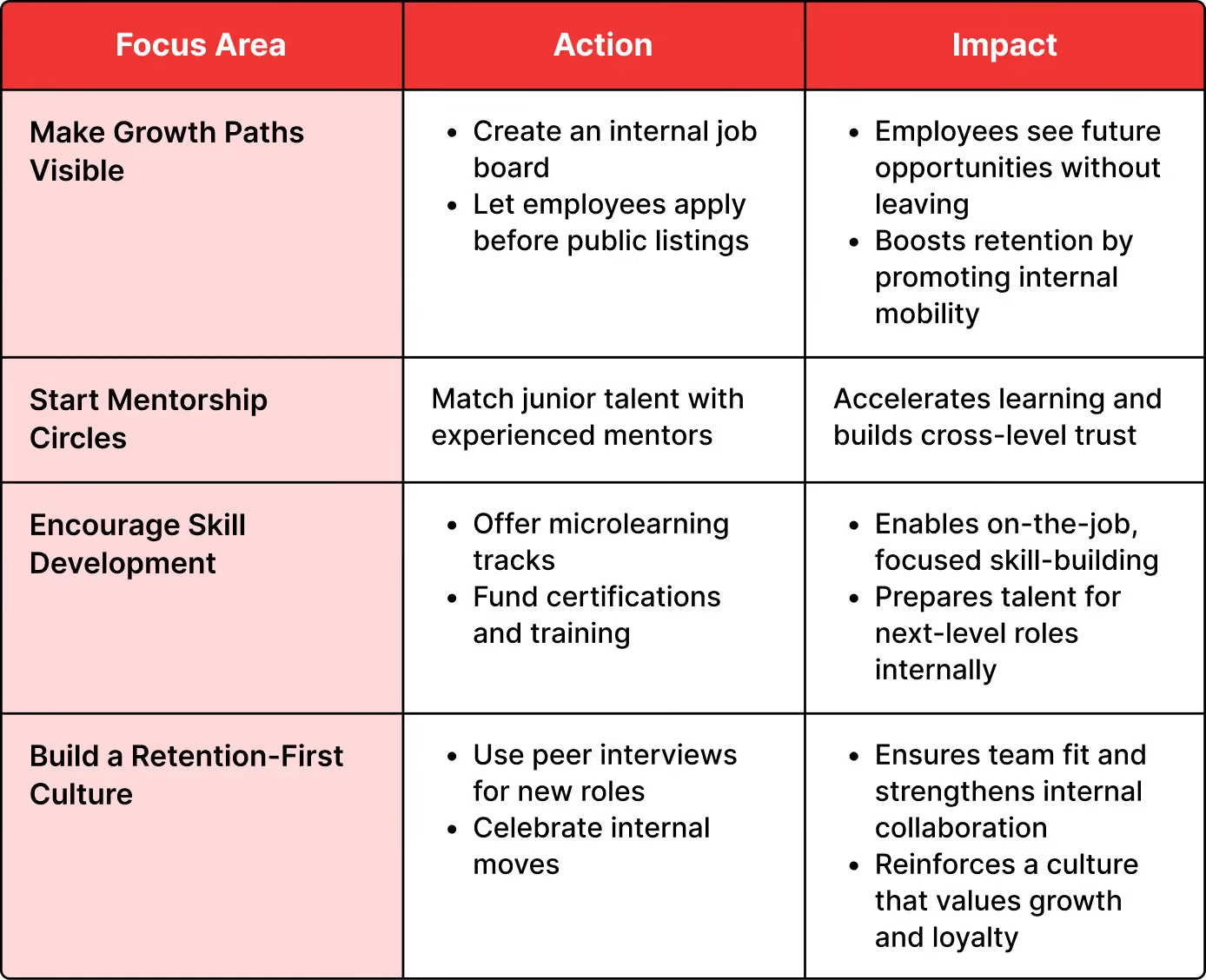
10. Win Talent with Smarter Compensation
Top candidates don’t just compare roles, they compare value.
Today’s high performers ask: “Is this worth leaving my current role?” If your offer doesn’t stand out, you lose them to someone who thinks bigger.
What Competitive Packages Actually Include
- Fair base pay: Benchmark against market data, not internal comfort zones
- Performance-based bonuses: Reward outcomes, not just hours clocked
- Equity or profit-sharing: Make them feel like owners, not just employees
- Learning budgets: Fund courses, conferences, and certifications
- Mental health and wellness: Include therapy stipends or four-day workweek pilots
Why This Matters
- Jobseekers now compare benefits before job descriptions
- Compensation signals how much you respect the candidate
- Innovative offers get shared, leading to higher inbound interest
You don’t need to outspend everyone. You just need to out think them.
Conclusion: Embrace Change to Win Top Tech Talent
Hiring has become faster, more competitive, and complex. Traditional methods no longer work. To stay ahead, you must adopt strategies focused on speed, skills, and long-term success.
We've explored exactly how to do that from building future-proof EVPs to tapping into passive talent pools.
But strategy is only half the story. Execution is where it counts. That’s where Consultadd becomes your strongest partner.
Here’s how Consultadd helps you deliver faster and hire smarter:
- Talent sourced in under 24 hours
- Pre-vetted, deployment-ready candidates
- Seamless visa and documentation handling
- Ongoing post-placement support
- Lower turnover risks with committed talent
Proven results:
- 14+ years in business
- 5,000+ staffing engagements
- 65+ satisfied staffing companies in the past year
- Top 100 candidates delivered last year
- 1:1 dedicated account managers
- MSAs signed with firms like Robert Half and Teksystems
- Direct university partnerships for fresh tech talent
You don’t just get talent, you get a hiring partner invested in your long-term success.
Start Strong With Consultadd
Working with an experienced partner like Consultadd ensures you hire smarter. From structured processes to real-time market insights, we help you avoid costly missteps and build teams that deliver from day one.
In a market where great tech talent is hard to find and harder to keep, your approach to staffing makes all the difference. Looking to build a future-ready tech team? Contact Us>>
Key Takeaways
- Build a compelling Employee Value Proposition (EVP) that emphasizes purpose, career growth, flexibility, and an inclusive workplace to attract top tech talent.
- Expand your talent pool by leveraging referrals, passive candidate sourcing, global recruitment, and skills-based hiring practices.
- Use AI-powered recruitment tools and streamline the hiring process to reduce time-to-hire without compromising candidate quality.
- Offer flexible work arrangements, competitive compensation, and internal career growth opportunities to improve talent attraction and retention.
- Partnering with an experienced staffing firm helps accelerate hiring, simplify compliance, and consistently deliver high-quality tech talent.
FAQs
How to create a powerful EVP that attracts top tech talent?
Focus on your mission, authentic stories from your team, and clear growth paths. These resonate more than flashy perks and help build trust with candidates.
What tools or platforms are best for sourcing passive tech talent globally?
GitHub, Stack Overflow, LinkedIn Talent Insights, and niche communities like Dev.to or Polywork are highly effective. Add smart CRM tools to automate outreach without losing the human touch.
How do I balance speed and quality in tech hiring without sacrificing candidate experience?
Streamline your process to 3 focused stages, use video intros, structured scorecards, and automated scheduling. Fast doesn’t mean rushed, it means removing friction while staying fair and clear.