.avif)

Introduction
Finding the right DevOps engineer feels harder than it should be. You post a job listing, wait weeks, and still end up sifting through resumes from people who don't understand your infrastructure challenges. The problem isn't that DevOps talent doesn't exist. It's that most hiring processes don't match how DevOps engineers actually work.
DevOps engineer hiring has its own complexity because the role spans multiple domains. You're looking for someone who understands cloud platforms, infrastructure as code, containerization, and CI/CD pipelines, but also someone who can communicate with developers and maintain systems under pressure. That's not a common combination, which is why the competition for top talent is intense.
This guide walks you through the entire DevOps engineer hiring process. We'll cover what to look for, where to find candidates, how to evaluate their real skills, and how to close the deal before another company does.
TL;DR
- DevOps engineer hiring requires looking beyond generic "cloud skills" to specific platform experience (AWS, Azure, Kubernetes, Terraform).
- Technical screening should focus on real infrastructure challenges candidates have solved, not theoretical knowledge or obscure tools.
- The best DevOps candidates are already employed and not actively looking, so proactive sourcing beats waiting for applications.
- Culture fit matters because DevOps engineers work across teams and need to handle on-call stress and incident response.
- Competitive compensation and clear growth paths are critical because demand for DevOps talent significantly outpaces supply.
Why DevOps engineer hiring is different
Most technical hiring focuses on a specific programming language or framework. DevOps hiring is broader and messier. You need someone comfortable jumping between cloud platforms, debugging infrastructure issues, and teaching developers better practices.
This breadth means two things: First, candidates with the exact profile you want are rare. Someone who's mastered Kubernetes deployment, terraform automation, AWS networking, and Prometheus monitoring represents years of accumulated experience. Second, a lot of unqualified people claim DevOps skills because the job title sounds impressive and pays well.
The result is that DevOps engineer hiring takes longer and requires more technical depth in your screening process.
Understanding what you're actually hiring for
Before posting a job, clarify what your team actually needs. This matters because DevOps roles vary widely depending on company size and infrastructure complexity.
A DevOps engineer at a startup building their first AWS infrastructure has a completely different focus than a DevOps engineer at a company managing thousands of containers across multiple cloud regions. One needs generalist troubleshooting skills. The other needs deep expertise in orchestration and observability.
Map out the three or four problems you need solved first. Does your team need someone to design and build cloud infrastructure from scratch? Or are you hiring someone to maintain and improve existing systems? Do you need Kubernetes expertise specifically, or is that a nice-to-have? Do you need someone who can mentor junior developers on deployment practices?
Your job description should reflect these priorities. Generic DevOps job postings attract hundreds of unqualified applicants. Specific descriptions attract fewer applications, but they're more likely to include people who can actually do the work.
Key skills to evaluate
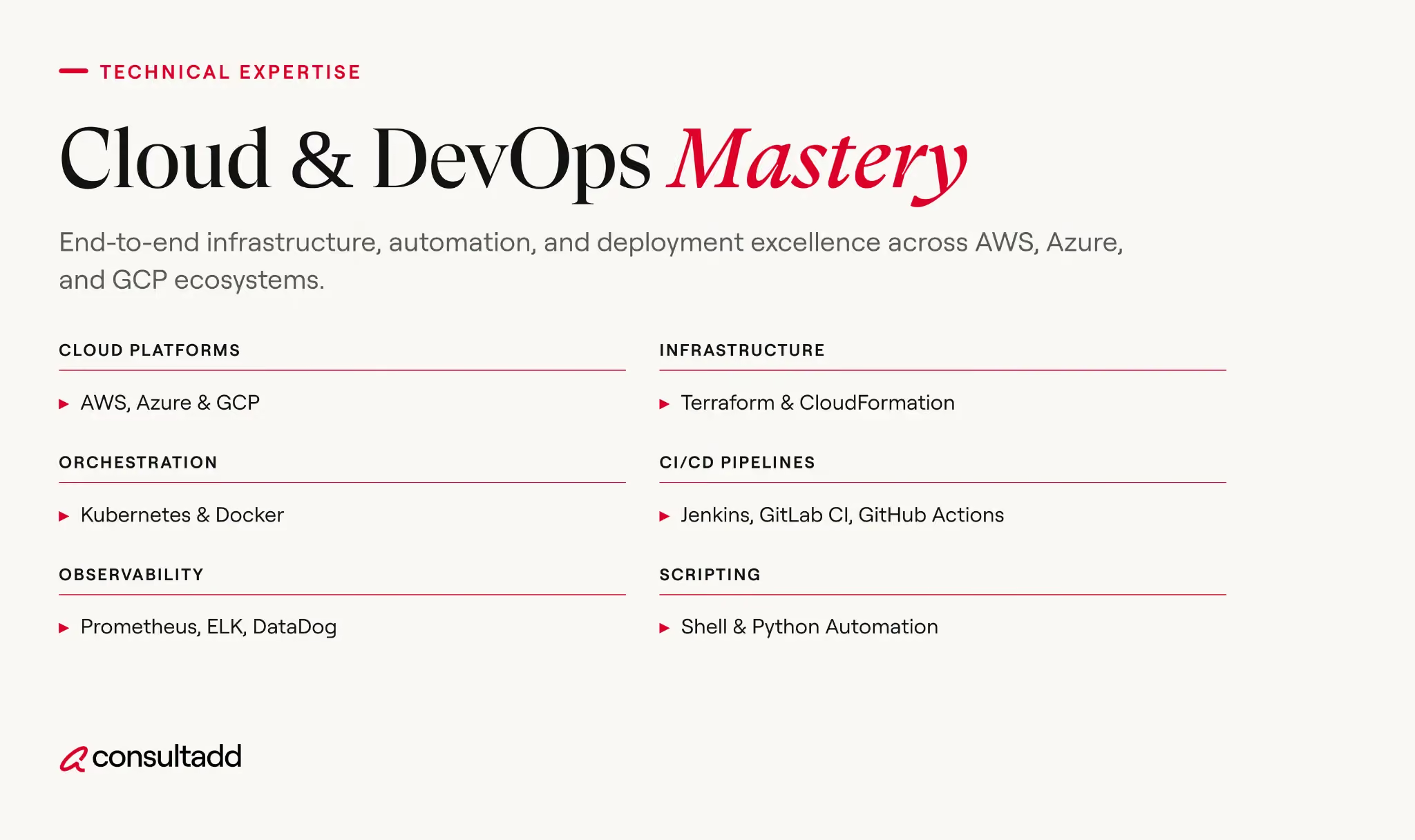
Don't weight all skills equally. If you're hiring for AWS Kubernetes deployments, Kubernetes expertise should be weighted higher than Azure knowledge. Interview bias often happens because hiring managers focus on skills they personally understand, not the skills your team actually needs.
Where to find DevOps candidates
Internal referrals and passive recruiting
The best DevOps candidates aren't job hunting. They're employed at other companies, performing well, and have no reason to browse job boards. This is why referral programs and passive sourcing matter so much.
Ask your current engineers for referrals. Offer a bonus if the hire works out. The people your team already knows and trusts are your strongest candidates. They understand your tech stack faster, mesh with your culture quicker, and are less likely to leave in six months.
Targeted outreach on LinkedIn
If referrals aren't working, LinkedIn is where you find passive candidates. Filter by specific skills (AWS, Kubernetes, Terraform) and reach out directly. Personalize your message. Generic "We'd like to discuss a role" templates get ignored. Mention something specific about why the role fits their background.
GitHub and GitLab profiles
DevOps engineers who work in open source or maintain public repositories are easier to evaluate. Look at their code, their documentation, their design choices. This tells you more than a resume ever will.
Staffing partners and technical recruiters
If you're in a competitive market or hiring urgently, working with specialists can save time. Staffing companies that focus on infrastructure and cloud hiring already have relationships with qualified candidates. They screen out people who can't pass basic technical filters before your team wastes time interviewing.
Technical screening that works
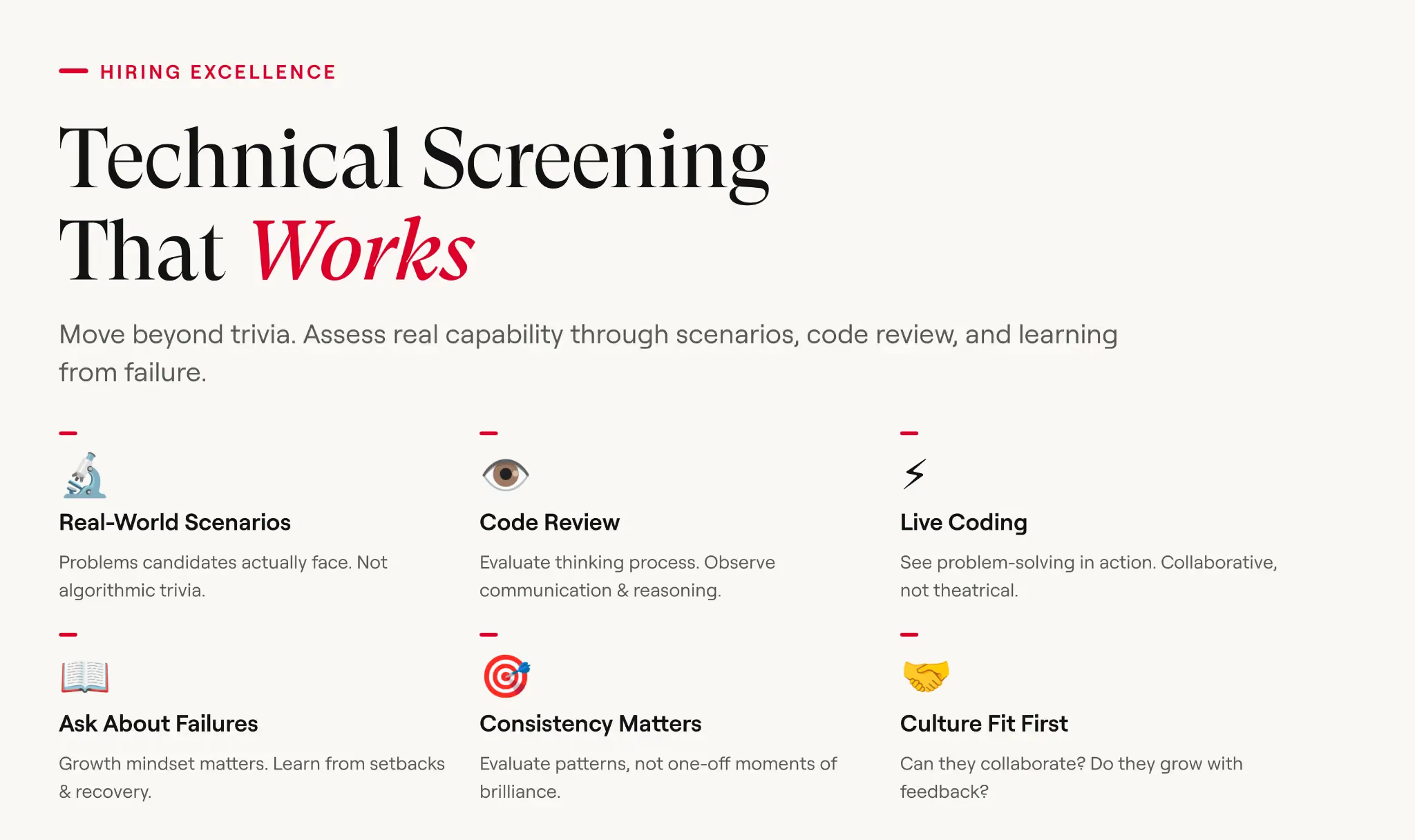
This is where most hiring processes fail. Companies either ask trivial questions ("What does CI stand for?") or focus on memorized details that don't predict performance.
Real-world scenarios beat trivia
Instead of asking "How do you use Terraform," describe a scenario: "Our infrastructure team wants to migrate 50 applications from our on-premises data center to AWS. We need to version control our infrastructure and make it reproducible. Walk me through how you'd approach this."
The answer tells you whether they understand IaC philosophy, whether they've managed large migrations, and whether they think about operational complexity. Someone who just completed an online Terraform course will struggle. Someone with real experience will have opinions about state management, testing, and disaster recovery.
Code review or live coding
Ask candidates to write simple infrastructure code during the interview or share examples from their GitHub. You're not looking for perfection. You're looking for whether they understand basic concepts, write readable code, and can explain their decisions.
A simple exercise: "Here's a failing CI/CD pipeline. Diagnose the issue." This takes 30 minutes and immediately shows whether someone understands how systems actually work.
Ask about failures
"Tell me about a time your deployment broke production" reveals more than success stories. How did they diagnose it? What systems did they check first? Did they blame developers or take responsibility for poor observability? Did they implement safeguards afterward?
The best DevOps engineers have war stories and learned from them.
Evaluating cultural fit and team dynamics
DevOps engineers spend their entire career solving other teams' problems. If someone can't handle interruptions, on-call responsibilities, or cross-team friction, they'll burn out in six months.
Look for evidence of collaboration. Have they worked with developers to improve deployment processes? Have they documented runbooks so others can respond to incidents? Have they mentored junior engineers?
On-call stress is real. Someone should ask directly: "How do you handle being paged at 3am for a production outage?" People who treat this as a normal part of the job tend to stay longer than people who see it as an imposition.
Also assess learning speed. DevOps tooling changes constantly. Someone who's learned three different orchestration platforms is more valuable than someone who's only ever used one, because they've demonstrated they can adapt.
Making the offer and closing
Once you find a strong candidate, move fast. Top DevOps engineers have multiple offers. A two-week interview process gives a competitor time to move in.
Compensation matters
DevOps engineer salaries are high because demand is high. If you're offering below-market rates, qualified candidates will pass. Research what companies similar to yours pay in your region. Use sites like Levels.fyi, Glassdoor, and LinkedIn salary data.
Beyond base salary, consider:
- Sign-on bonuses to offset stock vesting at their current company
- Professional development budget (conferences, certifications, training)
- Remote work flexibility (DevOps hiring is competitive globally)
- Clear promotion path (not everyone wants to move into management)
Address their concerns
Ask what matters to them in a new role. Some engineers want cutting-edge tech. Others want stability and avoiding firefighting. Some want small teams with high impact. Others want to learn from experienced architects.
When you understand what they actually want, you can position your role honestly. Overselling a role leads to quick departures.
Start Strong With Consultadd
With 15 years in business and 5,000+ successful staffing engagements, we don't just fill roles, we build reliability into your process. We've supported 65 staffing companies in the past year alone and maintain MSAs with industry leaders like Robert Half and TEKsystems.
Here's what working with Consultadd looks like:
- Talent sourced in under 24 hours
- Ready-to-deploy candidates, vetted for experience and compliance
- Lower turnover risk: we match long-term goals, not just short-term needs
- Seamless compliance: visa, documentation, onboarding? Handled.
- Dedicated 1:1 account managers for responsive, personalized support
- Top 100 candidate matches delivered in the past year
- Strong partnerships with universities to tap into fresh, committed talent
- Post-placement support so your investment grows beyond day one
For candidates, your next opportunity is more than just a job title, it's a chance to build skills, gain experience, and move your career forward. At Consultadd, we connect technology professionals with projects and employers that align with their goals, whether they're looking for contract, contract-to-hire, or long-term opportunities.
The tech job market moves fast, but the right guidance can make all the difference. Ready to take the next step in your career journey? Explore Opportunities >>
Key takeaways
- DevOps engineer hiring requires specificity. Generic job postings waste everyone's time. Focus on the actual infrastructure problems you need solved.
- Technical screening should use real-world scenarios and code review, not trivia. Ask about production failures and how candidates learned from them.
- Passive sourcing is more effective than job boards. Most top DevOps talent isn't actively looking. Tap your network and LinkedIn first.
- Speed matters. Once you identify a strong candidate, move from screening to offer within one week or lose them to competitors.
- Compensation is non-negotiable. Market rates for DevOps engineers are high because supply doesn't match demand. Budget accordingly.
FAQs
How long does it typically take to hire a DevOps engineer?
Expect 3-6 weeks from job posting to offer acceptance. If you're proactively sourcing (referrals, LinkedIn outreach), it can be faster, sometimes 2-3 weeks. Passive sourcing takes longer because you need multiple conversations to convince someone to consider a new role. Job boards attract fewer qualified candidates, so screening takes more time.
Should we hire a junior DevOps engineer or wait for senior experience?
Junior DevOps engineers (1-3 years) can handle routine infrastructure maintenance, help design systems, and grow into senior roles. They're less expensive and can learn your specific stack. Senior DevOps engineers (5+ years) move faster on complex infrastructure design and incident response. If your team has experienced mentorship available, juniors are often a better investment. If you need someone to own complex systems immediately, go senior.
What's more important: cloud platform expertise or leadership skills?
It depends on the role. Individual contributor DevOps engineers need deep platform expertise. DevOps leads or platform engineers need both. During screening, confirm they have relevant platform experience, then assess how they've worked with other teams. Someone who can explain complicated deployment processes to non-technical stakeholders is worth more than someone who codes in isolation.
How do we know if a candidate is overstating their DevOps experience?
Ask for specific examples. "Tell me about the largest Kubernetes cluster you've managed" or "Walk me through a production incident you diagnosed." Vague answers or generic knowledge suggests less experience than claimed. Ask them to explain their deployment pipeline in detail. Ask follow-up questions about tradeoffs they made. People with real experience can explain their decisions. People who learned from tutorials often can't.
Should we use recruitment agencies or hire directly?
Both work. Direct hiring gives you full control but takes longer because you're managing the entire process. Recruitment agencies handle sourcing and initial screening, so your team focuses on final interviews. If you're hiring frequently or need to fill roles urgently, agencies save time. If you're making a single hire and can invest the time, direct hiring gives you better long-term relationships and cost savings.
What's the biggest reason DevOps hires don't work out?
Mismatched expectations about on-call responsibilities and incident response. Someone hired for "infrastructure design" who expects never to be paged will struggle. Someone hired as a firefighter who wants to build systems from scratch will leave. Be explicit about what the role actually involves. If it's 20% on-call, say that upfront. If it's high-stress incident response, discuss how you support that. Alignment on day-to-day reality matters more than job title alignment.
.webp)


.webp)