

Introduction
A placement can go wrong in two places.
The candidate turns out not to have the skills they claimed, or the right person shows up on day one with no laptop, no system access, and an unfinished I-9. The first is a vetting problem. The second is an onboarding problem. Both land on the hiring manager.
This guide explains how staffing agencies handle candidate vetting and the onboarding process, from the first recruiter call to the 90-day check-in. It's written for hiring teams working with a staffing partner and for candidates who want to know what to expect.
It covers who does what at each stage, the legal steps agencies follow, and where the process tends to break.
TL;DR
- Vetting and onboarding are one workflow: what the agency verifies before submission decides how smoothly day one goes.
- Good agencies vet in a set order, starting with a clear requirement, then screening, skills validation, references, and work authorization.
- Background checks run by third parties come with legal steps, including written consent and notices before any adverse decision.
- On contract placements, the agency is usually the employer of record, so it handles the I-9, tax forms, payroll setup, and agreements.
- Onboarding doesn't end on day one. Structured check-ins through the first 90 days catch problems while they're still fixable.
How staffing agencies handle candidate vetting and onboarding
Most people picture vetting as something that happens before the interview and onboarding as something that happens after the offer.
In practice, a good agency treats them as one continuous process. Work authorization confirmed during vetting means no surprises during the I-9. A start date confirmed during screening means the client can order equipment on time.
Here's how responsibilities usually split on a contract placement:
For the full recruiting flow before this point, our IT staffing process guide covers intake through placement in eight steps.
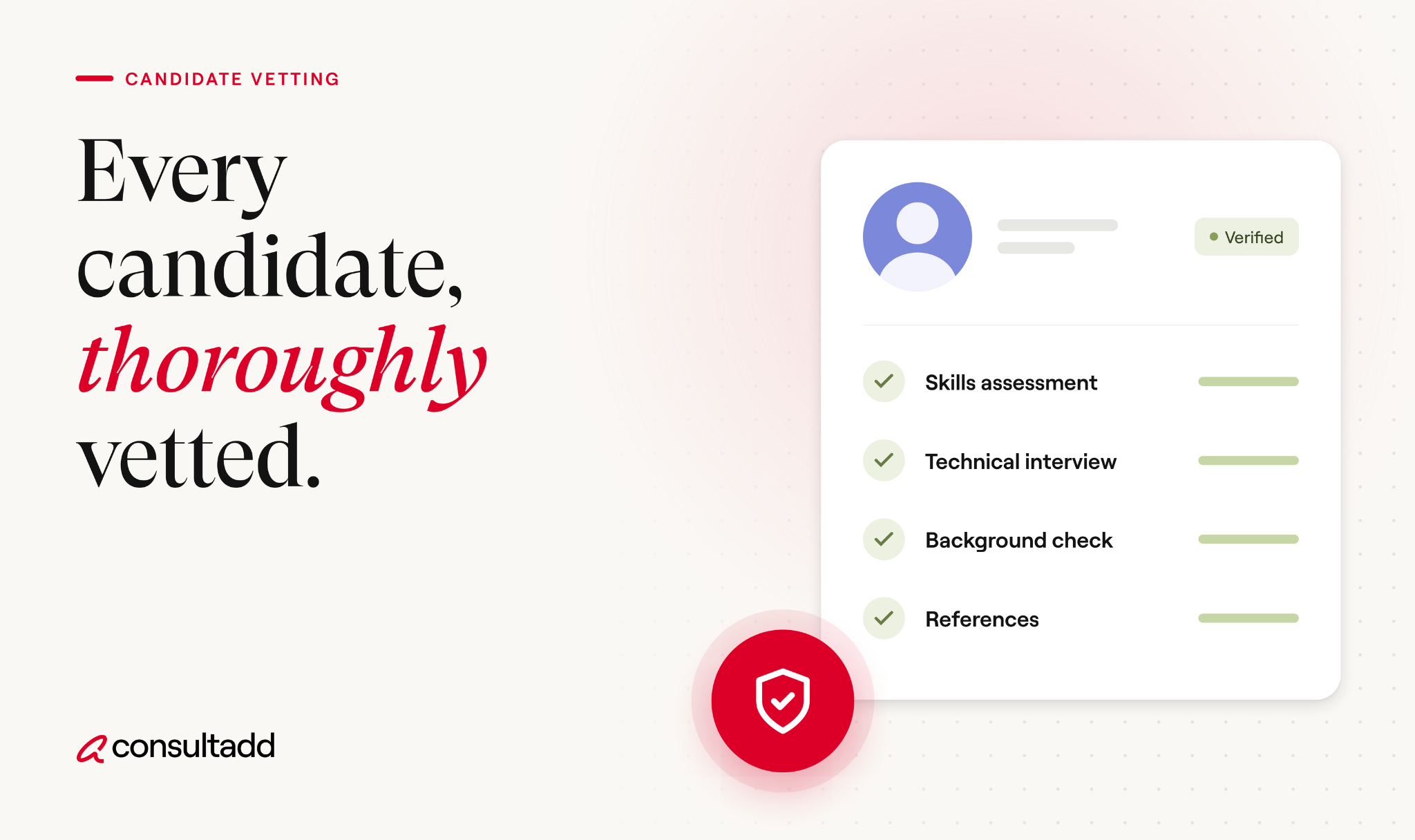
The candidate vetting process, stage by stage
We've covered vetting in depth in our guide to the vetting of candidates, so this section stays focused on the order an agency runs things and why that order matters for onboarding.
Why work authorization comes early
An agency that checks work authorization only at the offer stage is setting up a failed start. If a candidate's employment authorization document expires two months into a six-month assignment, everyone should know that before the interview, not after.
Our guide on whether you're legally authorized to work in the US explains the categories agencies check.
What "pre-vetted" should mean
Some agencies say their candidates are pre-vetted when they've only read the resume. Ask which of the checks above happened before submission.
Our explainer on pre-vetted candidates lists the questions that separate real vetting from a label.
Background checks and the legal steps agencies follow
Background checks are where staffing agencies take on real legal responsibility. When a third-party screening company runs the check, the Fair Credit Reporting Act applies.
The FTC's guidance on using consumer reports for employment explains the requirements.
If the decision stands, notify the candidate and include required information about the screening company and their rights
The depth of the check should match the role. A developer working on internal tools needs a different screen than someone with access to payment systems or patient data.
Clients often set the standard, and the agency applies it consistently to every candidate in that role. State and local laws, including fair chance hiring rules in some cities and states, can add timing limits on when criminal history can be considered.
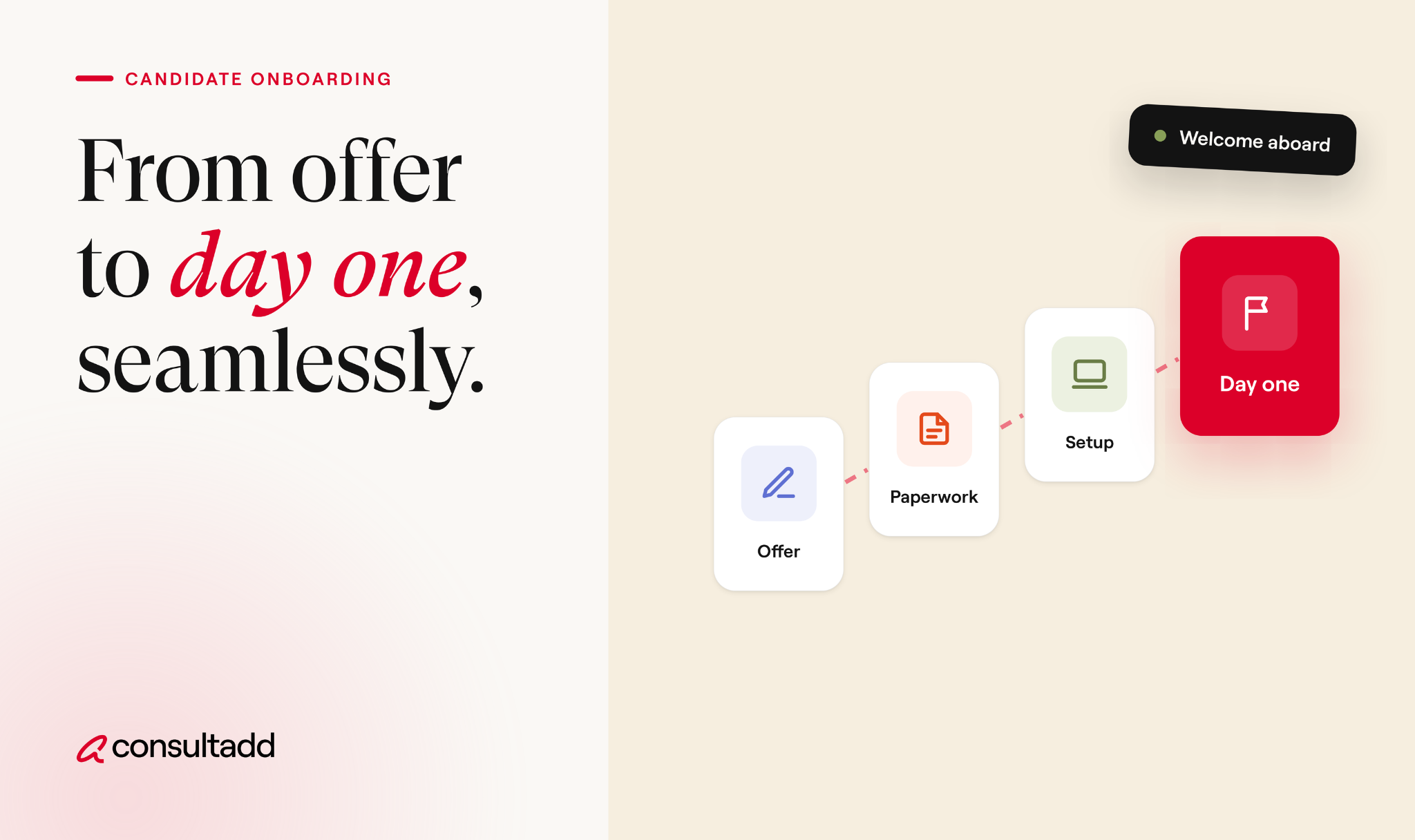
Employer of record onboarding: from offer to day one
On contract and contract-to-hire placements, the staffing agency is usually the legal employer. That means the agency, not the client, owns the core employment paperwork.
USCIS requires employers to complete Form I-9 for every person they hire in the United States, and the deadlines are short.
For remote workers, agencies enrolled in E-Verify and in good standing can use the DHS alternative procedure to review documents remotely.
Others need someone to examine documents in person, which takes planning for a remote start.
What the client needs ready before day one
The agency can finish every form and still lose the first week if the client side isn't ready. Before the start date, the client should have:
- System accounts created and tested, including email, code repositories, and ticketing tools
- Hardware shipped or set up, with security software installed
- A named manager and a buddy for day-to-day questions
- The first week's work defined, even if it's small
- Building access or VPN credentials, depending on the setup
For software teams, our software development team augmentation guide includes a week-by-week integration plan for new developers.
The first 90 days after placement
The agency's role doesn't end when the contractor logs in. The first few weeks are when small problems either get fixed or turn into early exits.
Most agencies also offer a replacement guarantee if a placement doesn't work out early on. Terms vary, so get the window and conditions in writing before the first placement.
Where vetting and onboarding break down
Most failed placements trace back to a handful of gaps. Recruiters see the same ones repeatedly.
A real pattern from contract IT staffing:
- A selected candidate on an EAD had a card expiring three weeks after the planned start.
- Because the agency caught it during screening, the client pushed the start date and the renewal was filed early.
- Caught at the I-9 stage instead, the same issue would have meant a pulled offer and a restarted search.
Questions to ask about a staffing agency's onboarding process
Before signing with a staffing partner, ask these. The answers show whether vetting and onboarding are real processes or just promises.
- Which checks happen before a candidate is submitted, and which happen after selection?
- How do you confirm work authorization, and when?
- Who orders background checks, and how do you handle adverse action notices?
- Who completes the I-9, and how do you handle remote employees?
- What do you need from us before the start date?
- How often do you check in during the first 90 days, and with whom?
- What's your replacement guarantee, and what are its conditions?
If an agency answers question one with "we review every resume," keep looking.
Judging a partner's vetting and onboarding
You don't see most of a staffing agency's work. What you see are the results: candidates who can do the job, start dates that hold, and contractors who stay.
That's the most reliable way to judge how staffing agencies handle candidate vetting and the onboarding process.
Track three things over your first few placements: how many submitted candidates passed your technical interview, how many started on the agreed date, and how many were still in place at 90 days. If those numbers are strong, the process behind them is working.
If they aren't, the questions above will show you where it's breaking.
For more on a single recruiter owning the whole journey, see our guide to full cycle recruiting.
Start Strong With Consultadd
With 15 years in business and 5,000+ successful staffing engagements, we don't just fill roles, we build reliability into your process. We've supported 65 staffing companies in the past year alone and maintain MSAs with industry leaders like Robert Half and TEKsystems.
Here's what working with Consultadd looks like:
- Talent sourced in under 24 hours
- Ready-to-deploy candidates, vetted for experience and compliance
- Lower turnover risk: we match long-term goals, not just short-term needs
- Seamless compliance: visa, documentation, onboarding? Handled.
- Dedicated 1:1 account managers for responsive, personalized support
- Top 100 candidate matches delivered in the past year
- Strong partnerships with universities to tap into fresh, committed talent
- Post-placement support so your investment grows beyond day one
For candidates, your next opportunity is more than just a job title, it's a chance to build skills, gain experience, and move your career forward. At Consultadd, we connect technology professionals with projects and employers that align with their goals, whether they're looking for contract, contract-to-hire, or long-term opportunities.
The tech job market moves fast, but the right guidance can make all the difference. Ready to take the next step in your career journey? Explore Opportunities >>
Key takeaways
- Staffing agencies treat vetting and onboarding as one process, because checks done early prevent day-one problems.
- Work authorization and skills should be confirmed before a candidate is submitted, not at the offer stage.
- Background checks through a third party require written consent and proper notices before any adverse decision.
- On contract placements, the agency is usually the employer of record and handles the I-9, tax forms, payroll, and agreements.
- Structured check-ins through the first 90 days, plus a written replacement guarantee, protect both the client and the worker.
FAQs
How do staffing agencies vet candidates?
Most agencies run a recruiter screen, a skills assessment, a work authorization review, and reference checks before submitting a candidate. A background check usually follows once the client selects someone. The depth of each step depends on the role and the client's requirements.
Do staffing agencies do background checks?
Yes, most do, especially for contract roles where the agency is the employer. When a third-party screening company runs the check, the agency must get written consent and follow FCRA notice rules before making any adverse decision. Clients usually set the level of screening required for the role.
Who completes Form I-9 for a staffing agency worker?
On contract placements, the staffing agency is usually the employer, so it completes the I-9. The worker finishes Section 1 by their first day, and the agency completes Section 2 within three business days of the start date. On direct-hire placements, the client completes it.
How long does staffing agency onboarding take?
The paperwork itself can often be finished in a few days if documents are ready. Background checks and client-specific requirements like security training can add time. Starting consent and document collection on the day a candidate is selected keeps the start date on track.
What happens if a placed candidate doesn't work out?
Many agencies offer a replacement guarantee within a set period after the start date. The agency finds a replacement candidate, usually at no extra fee. Terms vary, so confirm the window and conditions in your agreement.
What documents do I need to start a job through a staffing agency?
You'll typically need identity and work authorization documents for the I-9, tax withholding forms, and direct deposit details. Many agencies also ask you to sign a confidentiality agreement and consent to a background check. Some clients require extra items, such as a drug screen or security training.