

Introduction
A candidate once sent us a resume with eleven certifications on it and no projects. Another sent one Python certificate and a link to a data pipeline she'd built for a local nonprofit. The second one got the interview.
That doesn't mean programming certifications are useless. They help in specific situations: switching careers, working with enterprise Java, moving into cloud roles, or proving fundamentals when you don't have a computer science degree.
The trick is knowing which ones carry weight for the job you want and which ones just cost you a weekend and an exam fee.
This guide breaks down the main certifications by language, what each one proves, how to choose, and how to prepare.
TL;DR
- Programming certifications prove you know a language's rules and features. They don't prove you can ship working software.
- The most recognized language certifications come from the Python Institute (PCEP, PCAP, PCPP) and Oracle (Java SE Developer).
- Cloud developer certifications from AWS and Microsoft often carry more hiring weight than language-only certifications.
- Beginners get the most value from one entry-level certification paired with two or three real projects.
- Check the official exam page before you start studying, since vendors update and retire exams regularly.
What are programming certifications?
Programming certifications are credentials you earn by passing a proctored exam on a language or platform. They confirm you understand syntax, core libraries, and common behaviors at a defined level.
People use the term loosely, though. Three different things often get called a certification, and employers don't treat them the same way.
When this guide says "certification," it means the first two: an exam you sit, not a course you complete.
Are programming certifications worth it?
Sometimes. It depends on where you are in your career and what kind of company you're targeting.
From the hiring side, a certification rarely gets someone a job on its own. What it does is get a resume past an early filter, especially at enterprises and government contractors that list specific credentials in job descriptions.
Our guide to software developer qualifications employers actually require covers where certifications sit next to degrees and experience.
Certifications tend to help most when:
- You're changing careers and need structured proof of fundamentals
- You don't have a computer science degree
- The target role is in enterprise Java, cloud, or a platform-specific stack
- Your employer pays for it or ties it to a promotion
They help least when you already have strong work history in the language. A senior Python developer with five years of production code gains very little from a PCAP.
Best programming certifications by language
These are the best programming certifications by language, focused on credentials that are current, proctored, and recognized outside a single training provider.
1. Python certifications
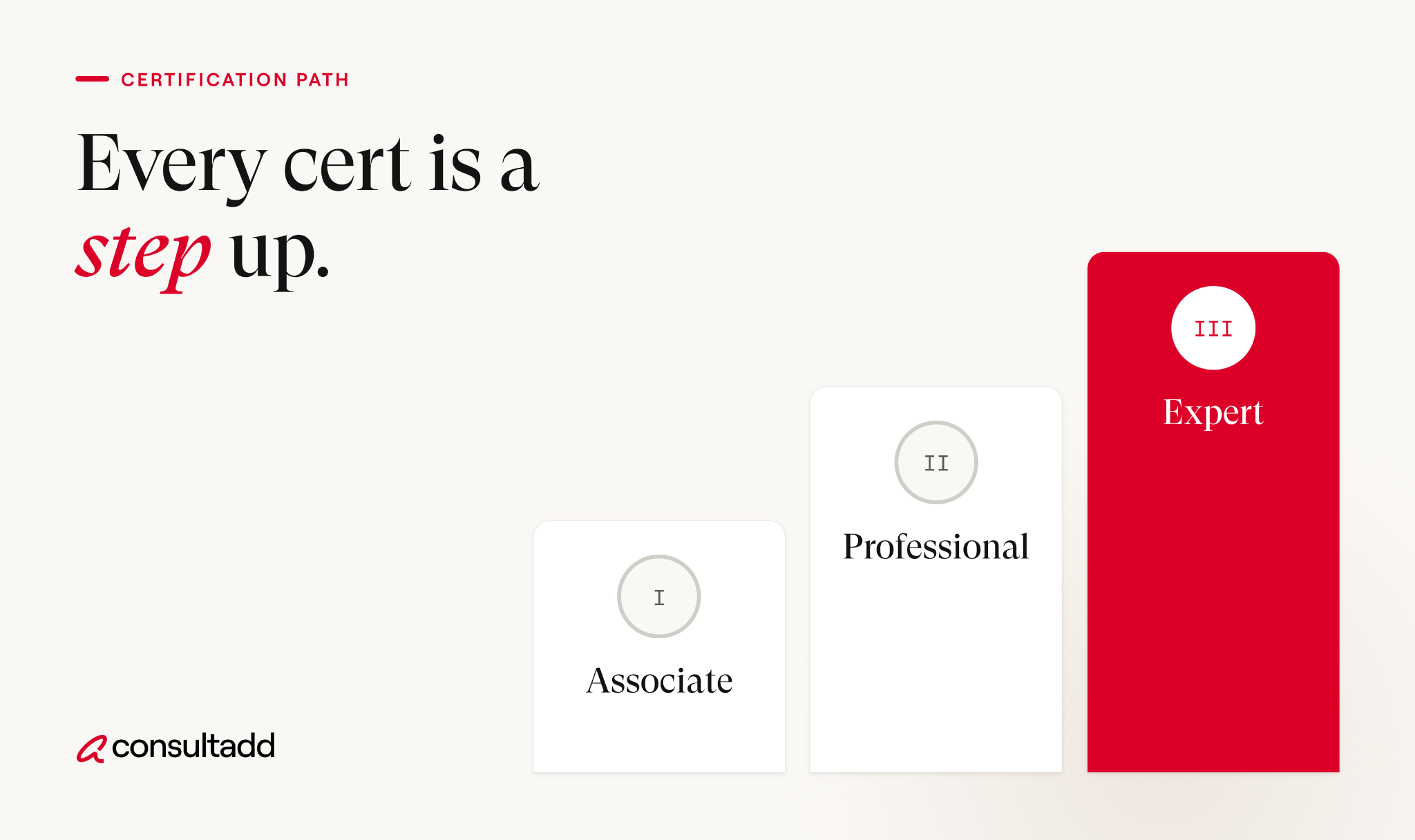
The Python Institute runs a tiered, vendor-neutral path. It starts with PCEP, then moves to PCAP, then PCPP. The Python Institute lists PCEP at $59 and PCAP at $295.
PCEP covers basics like data types, loops, and functions. PCAP goes further into modules, object-oriented programming, and exceptions, and it's the one most worth putting on a resume.
PCPP is aimed at experienced developers and is less commonly requested by employers.
You can review the exam objectives on the Python Institute's PCEP page.
2. Java certifications
Oracle owns Java and runs the most recognized Java certification. The current version is the Oracle Certified Professional 1Z0-830 exam, which tests Java SE 21 skills including object-oriented concepts, APIs, and features new to that release.
This one is hard. Experienced Java developers regularly fail it on the first try because it tests edge cases you rarely hit at work. It carries the most weight in banking, insurance, and large enterprises running Java back ends.
If you're aiming for those roles, our breakdown of Java full stack developer skills shows what else employers expect alongside the credential.
3. C and C++ certifications
The C++ Institute offers tiered certifications for both C and C++, from entry level to professional. They're vendor-neutral and run on the same OpenEDG testing platform as the Python Institute.
These certifications are less commonly listed in job postings than Python or Java credentials.
They're most useful for students and early-career developers targeting embedded systems, game development, or performance-heavy work.
4. JavaScript certifications
JavaScript has no official certification from a language owner. The JS Institute, also part of OpenEDG, offers entry and associate-level exams.
In practice, employers rarely ask for a JavaScript certification. For front-end and full stack roles, a deployed project and a clean GitHub profile do far more work than any JavaScript credential.
5. Cloud developer certifications
Cloud certifications aren't language certifications, but many developers find they carry more hiring weight.
The AWS Certified Developer – Associate covers building, deploying, and debugging applications on AWS. AWS certifications stay valid for 3 years, after which you need to recertify.
Microsoft's path changed this year. The AZ-204 exam and Azure Developer Associate certification retired on July 31, 2026, with exam AI-200 suggested as the replacement, which leads to the Azure AI Cloud Developer Associate.
If you see AZ-204 in a study guide, check Microsoft Learn's credentials page for the current exam.
For a hiring manager's view of what AWS credentials do and don't prove, see our post on screening AWS developers.
Here's how the main options compare:
Exam prices change and vary by region, so confirm the cost on the official page before you budget for it.
Coding certifications for beginners
If you're new, start with one language and one entry-level exam. PCEP is the most common starting point because Python is beginner-friendly and the exam fee is low.
Professional certificates from learning platforms, like the ones Google, IBM, and Meta offer through Coursera, are also popular with beginners. They're useful for structure and motivation. Just know that most hiring teams see them as course completions, not proctored proof of skill.
A practical beginner path looks like this:
- Learn one language well enough to build small programs on your own.
- Take the entry-level exam for that language.
- Build two or three projects that use what the exam covered.
- Move to the associate-level exam only if your target jobs ask for it.
Skip the urge to collect entry-level certificates in five languages. Depth in one language reads better to a recruiter than five surface-level badges.
How to choose the right certification
Start from the job you want, then work backward. Pull ten job postings for your target role and note which credentials show up. If none of them mention a certification, your time is better spent on projects.
Also check whether your current employer offers exam vouchers or training budgets. Many do, and it changes the math on which certification is worth your time.
How to prepare for a programming certification exam
Start with the official exam objectives. Every recognized certification publishes a list of topics and their weightings, and that list should drive your study plan more than any course outline.
A few preparation habits make a real difference:
- Write code for every exam topic instead of only reading about it
- Take official or well-reviewed practice tests under timed conditions
- Track which topics you miss and go back to those, not the ones you already know
- Read the exam rules on retakes, time limits, and online proctoring before you book
Language exams love tricky questions about edge cases, like what a piece of code prints or whether it compiles at all. Practice reading code carefully, line by line, because skimming is the most common way people lose points.
Book the exam date early. A fixed date keeps study time from drifting for months.
Certifications vs projects: what recruiters actually check
When our recruiters review developer candidates, certifications and projects answer different questions. Certifications show you studied a defined body of knowledge. Projects show you can apply it when nobody hands you the questions.
The strongest profiles we see combine both: one relevant certification and a few projects the candidate can talk through in detail.
Once you're getting interviews, our coding interview playbook covers the next stage.
Conclusion
Programming certifications are a tool, not a finish line. Pick one that matches the jobs you're actually applying for, prepare against the official objectives, and pair it with work you can show and explain.
If you're unsure where to start, look at ten job postings this week. The certifications that keep appearing are the ones worth your time. If none appear, put that exam fee toward building something instead.
Start Strong With Consultadd
With 15 years in business and 5,000+ successful staffing engagements, we don't just fill roles, we build reliability into your process. We've supported 65 staffing companies in the past year alone and maintain MSAs with industry leaders like Robert Half and TEKsystems.
Here's what working with Consultadd looks like:
- Talent sourced in under 24 hours
- Ready-to-deploy candidates, vetted for experience and compliance
- Lower turnover risk: we match long-term goals, not just short-term needs
- Seamless compliance: visa, documentation, onboarding? Handled.
- Dedicated 1:1 account managers for responsive, personalized support
- Top 100 candidate matches delivered in the past year
- Strong partnerships with universities to tap into fresh, committed talent
- Post-placement support so your investment grows beyond day one
For candidates, your next opportunity is more than just a job title, it's a chance to build skills, gain experience, and move your career forward. At Consultadd, we connect technology professionals with projects and employers that align with their goals, whether they're looking for contract, contract-to-hire, or long-term opportunities.
The tech job market moves fast, but the right guidance can make all the difference. Ready to take the next step in your career journey? Explore Opportunities >>
Key takeaways
- Programming certifications prove knowledge of a language, not the ability to build and ship software.
- Python Institute and Oracle Java credentials are the most recognized language certifications.
- Cloud developer certifications often carry more hiring weight than language-only exams.
- Choose a certification based on what your target job postings actually list.
- Pair any certification with real projects you can explain in an interview.
FAQs
1. Which programming certification is best for beginners?
PCEP from the Python Institute is a common first choice. It's affordable, covers core programming concepts, and leads into the more respected PCAP. Pair it with a few small Python projects so you have something to show alongside it.
2. Do employers care about programming certifications?
Some do, especially enterprises, government contractors, and companies hiring for cloud roles. Most tech employers weigh projects and work experience more heavily. A certification works best as a tiebreaker or a way through early resume screening.
3. How long does it take to get a programming certification?
It depends on the level and your starting point. An entry-level exam may take a few weeks of focused study if you already code a little. Professional-level exams like Oracle's Java certification often take a few months, even for working developers.
4. Do programming certifications expire?
It varies by issuer. AWS certifications need renewal every 3 years, and Microsoft's role-based certifications require a yearly online renewal. Many language certifications don't expire but are tied to a specific language version, so they age as new versions ship.
5. Can a programming certification replace a degree?
Not on its own, but it can help close the gap. Many developers get hired without a degree by combining a recognized certification with a strong portfolio and relevant experience. Some employers and roles still require a degree regardless.
6. Is it better to get a language certification or a cloud certification?
For most developers with some experience, a cloud certification has more market value. Language certifications make more sense early on or for roles that list them directly, like enterprise Java. If you're unsure, check which one appears more often in your target job postings.